Bestseller


 Gut health
 Sensitive stomach
 Calm
Calm Joints & mobility
 Skin & coat
 Healthy weight
 Picky eaters



Spring Allergies in Dogs: Signs & Relief
by The Get Joy Team ・ 15 min readLast updated: May 2026
Key Takeaways
- Spring allergies in dogs are triggered by airborne pollen from trees, grasses, and plants — not just food.
- A constantly active immune response can impact gut health, skin barrier function, and general wellness — making gut support essential during allergy season.
- Up to 70% of your dog's immune system lives in their gut — a balanced microbiome helps regulate immune responses and reduce allergic overreaction.
- Natural management strategies like bathing, omega-3s, and diet improvements reduce discomfort without harsh chemicals.
- Belly Biotics™, built into Get Joy Freeze Dried Raw Meals, supports the gut-immune axis that keeps inflammatory responses in check.
Most Affected Breeds: Golden Retrievers, Labrador Retrievers, German Shepherds, Poodles, Bulldogs, and West Highland White Terriers are among the breeds most commonly affected by seasonal allergies.
In This Article
Seasonal allergies can make spring a miserable time for many dogs — and for the owners watching them scratch, sneeze, and suffer. This article walks you through how to spot the telltale signs of spring allergies in dogs, what's triggering those reactions, and the most effective natural and nutritional strategies to bring your dog real relief. Whether you're dealing with itchy paws, watery eyes, or recurring skin flare-ups, you'll find practical, vet-informed guidance to help your companion thrive through allergy season.
Understanding Spring Allergies in Dogs
Spring allergies in dogs mirror those of humans, with airborne particles triggering an immune system frenzy. While you might reach for an antihistamine, your dog is left sneezing and scratching. In spring, trees like oak and maple, along with various grasses, unleash their pollen, coating the environment in a yellow haze. These seemingly harmless particles are mistaken by your dog's immune system as threats, leading to a histamine release that results in those pesky symptoms.
Unlike year-round food allergies, these allergies follow seasonal patterns. You'll likely notice the onset of dog allergy symptoms as temperatures rise and flora revive from winter dormancy. While timing varies, the peak discomfort usually hits between March and June.
Spring is particularly challenging as dogs engage with the environment on a level we don't — snuffling through grass, romping in leaves, and investigating every flowering shrub. This behavior turns them into mobile pollen magnets, adding to their allergy woes.
The body's inflammatory response transcends just sneezing and watery eyes. A constantly active immune system can impact your dog's gut health, skin barrier, and general wellness, sometimes leading to secondary skin infections or digestive issues during allergy peaks. This is why understanding the link between immune and gut health is so vital for managing these reactions effectively.
Supporting your dog's digestive system can be pivotal in breaking the allergic cycle, as a compromised gut can exacerbate allergy symptoms. To deepen your understanding and potentially find dietary solutions, you can explore Get Joy's approach to food for dogs with allergies. This knowledge can form part of a comprehensive allergy relief plan, ensuring your canine companion enjoys the beauty of spring without discomfort.
Spotting the Signs: Is Your Dog Affected?
Spring allergies in dogs don't stay hidden for long. Your dog's body will signal distress through physical symptoms and behavioral shifts that become increasingly obvious as pollen counts climb.
Common spring allergy symptoms to watch for:
- Excessive scratching and licking — particularly at paws, belly, and face where allergens make contact
- Red, inflamed skin — often visible on the stomach, between toes, and around the ears
- Watery or runny eyes — sometimes accompanied by clear nasal discharge
- Hair loss or thinning coat — especially in areas your dog scratches repeatedly
- Hot spots — raw, irritated patches of skin that develop from constant scratching
- Ear infections — increased head shaking, scratching at ears, or unusual odor
- Changes in appetite or energy levels — discomfort can make dogs less interested in food or play
- Restlessness or difficulty sleeping — itching often intensifies at night
Track what you notice. Keep a simple log of symptoms, their severity, and when they occur. If your dog shows multiple signs for more than a few days, or if symptoms worsen despite your initial efforts, contact your veterinarian.
Natural Ways to Soothe Your Dog's Allergies
Regular Bathing with Hypoallergenic Shampoo
Weekly baths using fragrance-free, oatmeal-based shampoos wash away pollen and other allergens that cling to your dog's coat and skin. Pay extra attention to paws and the undercarriage where allergens love to hide.
High-Quality Air Purifiers
HEPA air purifiers in your dog's favorite rooms capture airborne pollen, dust, and other irritants before they can cause trouble. Run them continuously during peak allergy season for maximum impact.
Omega-3 Fatty Acid Supplements
These anti-inflammatory powerhouses strengthen skin barriers and reduce allergic reactions from within. Choose fish oil supplements specifically formulated for dogs.
Cool Water Rinses
Quick paw and face rinses after outdoor adventures remove fresh pollen before it settles in. Keep a spray bottle by your door for easy post-walk cleanups.
Elimination Diet Assessment
Food sensitivities can amplify seasonal allergy symptoms, turning mild spring sniffles into full-blown misery. When you suspect food-related triggers are making things worse, specialized diets for sensitive stomachs help identify problematic ingredients that intensify allergic reactions.
Monitor your companion's response to these natural approaches carefully. If symptoms persist beyond two weeks or worsen, professional veterinary evaluation ensures you're not missing underlying conditions that need medical attention.
The Role of Nutrition in Allergy Relief
What your dog eats directly impacts how their immune system responds to allergens. The right nutrition can transform your companion from a sneezy, itchy mess into a comfortable, thriving animal during allergy season.
Key nutritional strategies for allergy relief:
- Anti-inflammatory powerhouses — foods rich in turmeric, blueberries, and leafy greens that naturally combat inflammation at the cellular level
- Omega-3 fatty acids — reduce inflammatory responses and support healthy skin barrier function, making your dog less reactive to environmental triggers
- High-quality, single-source proteins — novel proteins like rabbit or duck can reduce food sensitivities while providing clean fuel for immune function
- Prebiotic and probiotic support — a balanced gut microbiome directly regulates immune responses and determines how aggressively your dog reacts to allergens
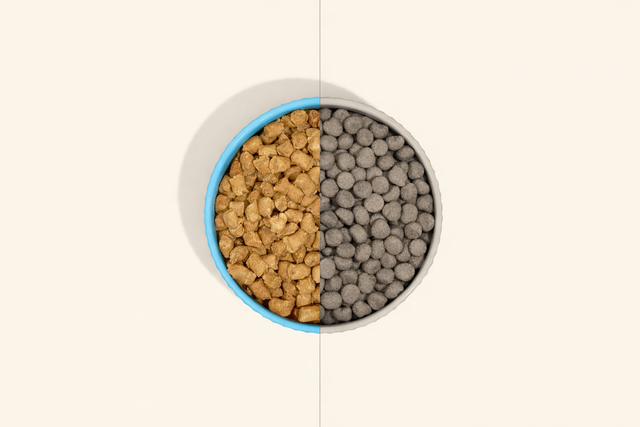
- Minimal processing — raw or minimally processed foods retain more bioavailable nutrients that processed kibble destroys through high-heat manufacturing
Gut Health = Allergy Relief
Here's what most dog companions don't realize: 70% of your dog's immune system lives in their gut. When gut bacteria are balanced, inflammatory responses stay controlled. When the microbiome gets disrupted, your dog starts overreacting to harmless pollen and environmental triggers.
Think of it this way — a healthy gut acts like a calm, experienced bouncer at a club. It knows the difference between actual threats and harmless visitors. But an unbalanced gut? That's like having a panicky rookie bouncer who treats everyone like a potential problem.
Get Joy's Freeze Dried Raw Meals deliver these nutritional benefits without the guesswork. Each recipe combines anti-inflammatory ingredients with easily digestible proteins. Built-in Belly Biotics™ — Get Joy's proprietary blend of prebiotics, probiotics, and postbiotics — creates the foundational gut health that keeps immune responses balanced rather than hyperactive.
This isn't about masking symptoms with quick fixes. It's about building your dog's natural resilience from the inside out.
Support your dog's skin, coat, and immune response this allergy season.
The Skin & Coat Bundle combines targeted nutrition with Belly Biotics™ — prebiotics, probiotics, and postbiotics built into Get Joy Freeze Dried Raw Meals — to support the gut-immune axis that keeps allergic reactions in check from the inside out.
Shop the Skin & Coat BundleWhen to Seek Professional Help
While natural remedies work well for mild spring allergies in dogs, some situations demand professional attention.
Here's when to skip the home remedies and call your vet:
- Intense scratching that creates open wounds, hot spots, or bleeding
- Difficulty breathing, wheezing, or excessive panting unrelated to heat or exercise
- Persistent vomiting or diarrhea lasting more than 24 hours
- Facial swelling, especially around the eyes, muzzle, or ears
- Symptoms that worsen despite consistent home treatment
- Complete loss of appetite for more than two days
- No improvement after two weeks of management
The best vets don't just treat symptoms — they dig into root causes. A quality veterinarian understands that your companion's immune response connects directly to their gut health and overall nutrition.
Creating an Allergy Management Plan
Managing spring allergies in dogs becomes much simpler when you have a solid plan in place.
Start by tracking your dog's symptoms in a simple journal or phone app. Note when reactions occur, their severity, and any potential triggers you observe. This data becomes invaluable when discussing treatment options with your vet.
Create a spring preparation checklist: stock up on natural remedies that work for your dog, schedule a vet visit before allergy season peaks, and review your current food quality. High-quality, minimally processed foods like Freeze Dried Raw options provide the nutritional foundation your dog needs to better handle seasonal challenges.
Establish your environmental management routine early — regular paw cleaning after walks, weekly baths with gentle shampoo, and keeping windows closed during high pollen days.
Most importantly, remain flexible with your approach. What works perfectly one spring might need tweaking the next year. Regular check-ins with your vet help ensure your management plan stays effective.
Real food. Functional nutrition. Built for every season.
Get Joy Freeze Dried Raw Meals deliver whole food ingredients and Belly Biotics™ in every bowl — making gut-supported, skin-friendly nutrition simple year-round.
Shop Freeze Dried RawFrequently Asked Questions
What causes spring allergies in dogs?
Spring allergies are triggered by airborne pollen from trees (like oak and maple), grasses, and flowering plants. Dogs' immune systems mistake these harmless particles for threats, triggering a histamine response that causes itching, sneezing, red skin, and other symptoms.
Which dog breeds are most prone to seasonal allergies?
Golden Retrievers, Labrador Retrievers, German Shepherds, Poodles, Bulldogs, and West Highland White Terriers are among the most commonly affected breeds. However, any dog can develop seasonal allergies regardless of breed.
How does gut health affect dog allergies?
Up to 70% of a dog's immune system lives in the gut. When the gut microbiome is balanced — supported by prebiotics, probiotics, and postbiotics like Belly Biotics™ in Get Joy meals — inflammatory responses stay regulated. An unbalanced gut can cause immune overreaction to harmless pollen and environmental triggers.
When should I take my dog to the vet for seasonal allergies?
See a vet if your dog develops open wounds or hot spots from scratching, has difficulty breathing, shows facial swelling, stops eating for more than two days, or shows no improvement after two weeks of home management.
What's the best diet for a dog with seasonal allergies?
Focus on whole food, protein-first diets with anti-inflammatory ingredients, omega-3 fatty acids, and consistent gut microbiome support. Minimally processed foods retain more bioavailable nutrients that support immune regulation. Get Joy's Freeze Dried Raw Meals with Belly Biotics™ are designed to deliver these benefits in every bowl.
Browse More Topics

Written by
The Get Joy Team
Shop by Concern


Featured Posts
Keeping Your Dog Healthy in Winter: Cold Weather, Immunity, and Gut Health
The Best Dog-Safe Christmas Treats (Store-Bought and Homemade)