
 Bestseller
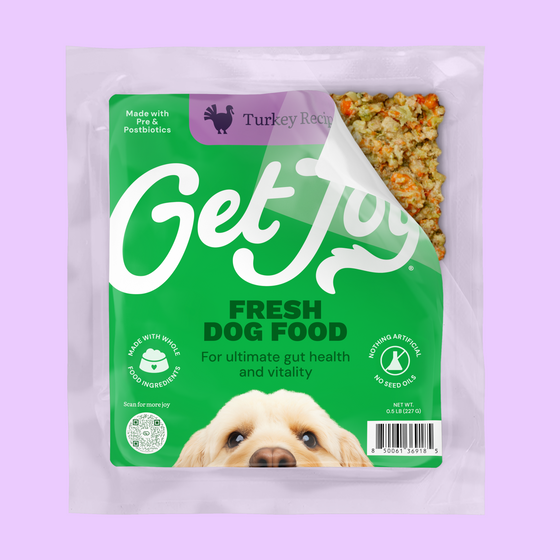
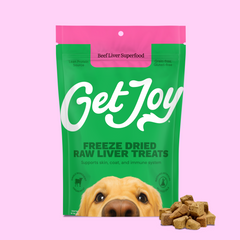
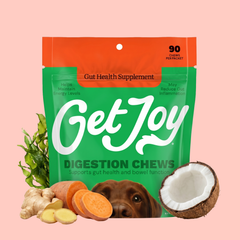
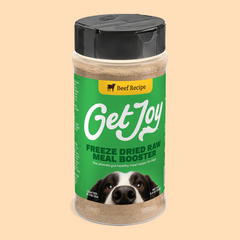
 Gut health
 Sensitive stomach
 Calm
 Joints & mobility
 Skin & coat
 Healthy weight
 Picky eaters



The gut truth
Dog Gut Health 101
About 70% of your dog's immune system resides in the gut, so gut health shapes everything from digestion to skin and energy. Here's how to spot a gut that needs support, and what to feed to help.

What are the signs of poor gut health in dogs?
The most common signs are loose or inconsistent poops, gas, itchy skin, bad breath, picky eating and low energy. If you're seeing more than one, start with what's in the bowl every day.
What's the difference between prebiotics, probiotics and postbiotics?
Prebiotics feed the good bacteria, probiotics are the good bacteria, and postbiotics are the helpful compounds they produce.
 1
Feeds the good bacteria so they can thrive — the fuel for the whole system.
 2
Populates the gut with beneficial bacteria that crowd out the bad and steady digestion.
 3
The compounds that do the work: support a healthy gut lining, everyday immunity and firmer stools.
Belly Biotics™ are a proprietary blend of prebiotics, probiotics and postbiotics that help heal, repair and sustain a healthy gut. They're built into every bowl of Freeze Dried Raw.
The Power of Belly Biotics™
When food supports the gut intentionally, you’ll see the results—in energy, digestion, and joy. Our patented Belly Biotics™ blend delivers all three biotics in every meal.
- Prebiotics + probiotics + postbiotics
- No artificial preservatives, colors, or fillers
- Gentle freeze-drying process preserves raw nutrients
- USDA-sourced, whole-food ingredients
New to biotics? Here's a simple guide to probiotics for dogs and sensitive stomachs.
What dog parents are seeing

Mia V.
Our dog has had the most beautiful poop since starting on Get Joy - she absolutely loves it, but I think her gut loves it even more! Would highly recommend!!!

Brianna
Maple has been a picky eater and would leave her meals out all day. I switched her to Get Joy and she immediately eats her bowl after I set it out! Her poops have become noticeably firmer and she has a lot more energy.

Elaine
My Boston Terriers have food intolerances and have tried everything from kibble to raw and cooked diets. After doing some research, I decided to try Get Joy lamb recipe, and I honestly wish I had found it sooner.Since switching, my dogs have had no allergies, upset stomachs, gas, or soft stools.

Susan
My dog is nearly 17. I am quite sure that her long life can be attributed to her Get Joy diet. Before we met Get Joy she was sluggish but now makes a beeline to her food bowl! It makes me so happy to see her joy in food again. This product is well worth the price.

How does gut health affect your dog's whole body?
It's the home of their immune system
Not in a supplement. Not in a vet visit. Roughly 70% of your dog's immune system is housed in the gut. The bacteria living there are the first line of defense against every pathogen, allergen, and environmental stressor your dog encounters. A thriving gut microbiome isn't a wellness bonus — it's the foundation of a dog that rarely gets sick and recovers fast when they do.
It controls your dog's nutrient absorption
Your dog can eat the highest-quality food in the world and still be undernourished. Without a healthy gut, nutrients pass through without being absorbed — vitamins, minerals, amino acids that should be fueling every system in the body. Gut health isn't just about digestion. It's about whether the food you're paying for is actually working.
It drives energy — from the inside out
That afternoon slump. The dog who used to sprint and now strolls. Energy isn't just about calories — it's about how efficiently the body converts food into fuel. The gut microbiome produces the short-chain fatty acids and neurotransmitters that regulate energy at a cellular level. When the gut is thriving, it shows in how your dog moves through the day.
It's the foundation of their skin & coat health
Coat quality. Skin health. Inflammation. Seasonal allergies. These feel like surface issues — but they almost always have a gut origin. When the microbiome is balanced, the body's inflammatory response stays regulated. When it's disrupted, you see it in the itch, the flake, the dullness that no grooming product quite fixes. The clearest sign of a healthy gut isn't what you feel — it's what you see.
It shapes how your dog feels mentally and emotionally
The gut-brain connection is real in dogs, not just in humans. The gut produces serotonin, dopamine precursors, and other compounds that directly influence mood, stress response, and behavior. The anxious dog. The one who never quite settles. The one whose personality shifted and you can't explain why. Gut health doesn't just affect the body. It affects the dog you get to live with every day.
This is why Get Joy was built gut-first. Not as a trend. As the only place that actually made sense to start.
How fast does gut health improve?

The short version
- About 70% of your dog's immune system resides in the gut, so gut health shapes digestion, skin and coat, energy and mood.
- Common signs of an unhappy gut: loose or inconsistent poops, gas, itchy skin, bad breath, picky eating and low energy.
- Prebiotics feed the good bacteria, probiotics are the good bacteria, and postbiotics are the helpful compounds they produce.
- What's in the bowl every day matters most. Full benefits typically emerge after 2–3 months.
Get Joy Freeze Dried Raw has Belly Biotics™, all three biotics, built into every bowl.
Gut Health Basics
Dog gut health FAQs
Dog companions often have practical questions about supporting their dog's digestive wellness. These answers address the most common concerns.
Young dogs benefit from digestive support, especially during weaning or food transitions. Their developing microbiomes are more sensitive, so choose puppy-appropriate probiotics and avoid dramatic dietary changes that could disrupt their delicate digestive balance.
Always consult your veterinarian before making significant changes to your dog's diet or adding new supplements.
Foods that support digestion are typically made with whole, nutrient-dense ingredients that are easy for the body to absorb and use.
High-quality proteins, natural sources of fiber, and foods that support the gut microbiome all play an important role. Ingredients like vegetables, healthy fats, and functional nutrients help feed beneficial bacteria in the gut.
Equally important is how the food is made. Minimally processed foods that preserve nutrients and digestibility can help support a healthier gut environment over time.
When the digestive system is supported properly, dogs are better able to absorb nutrients, maintain steady energy, and produce consistent stools.
Many conversations about dog food focus on format — fresh, kibble, raw, freeze-dried, or canned.
But format alone doesn’t tell the whole story.
Feeding for function means choosing food designed to support how the body actually works. This includes digestion, nutrient absorption, immune support, and overall vitality.
Two foods may share the same format but deliver very different benefits depending on ingredient quality, formulation, and whether they intentionally support gut health.
At Get Joy, we focus on function first, building recipes designed to support the digestive system and microbiome — the foundation of whole-body wellness.
Many traditional dog foods are designed primarily for shelf stability and cost efficiency, not digestive function.
Highly processed foods can lose some of the natural nutrients that help support the gut microbiome. In some cases, formulas rely on fillers or ingredients that may be harder for certain dogs to digest.
Supporting gut health requires more than just meeting minimum nutrition standards. It involves thoughtfully chosen ingredients, balanced nutrients, and functional components that help support the digestive system and beneficial gut bacteria.
That’s why foods designed with digestion in mind can often make a noticeable difference in how dogs feel day to day.
How food is processed can influence how easily dogs digest and absorb nutrients.
High-heat processing can sometimes reduce the availability of certain nutrients and enzymes. Gentler preparation methods can help preserve ingredient integrity and natural nutrients that support digestion.
Different processing methods also affect how ingredients break down in the digestive system, which can impact how the gut microbiome responds to the food.
Choosing foods made with carefully handled ingredients and thoughtful preparation methods can help support a more balanced digestive environment.


