

Probiotics for Dogs, Explained
A simple guide to prebiotics, probiotics & postbiotics for dogs — what actually helps a sensitive stomach, loose stools, or an itchy coat, and how Get Joy builds all three into every bowl with Belly Biotics™. For the full science of the canine gut, read The Gut Truth →
The short version (key takeaways)
Most of your dog's immune system lives in their gut, so gut health is whole-body health. Supporting it takes three things working together:
- Prebiotics feed the good bacteria already in your dog's gut (we use inulin, a plant fiber).
- Probiotics add beneficial live bacteria — our Freeze Dried Raw delivers 3 billion CFU per pound from five strains (because under ~1 billion isn't effective).
- Postbiotics are the compounds good bacteria make — vitamins, fatty acids and metabolites that support skin, coat, immunity and vitality. We build ours right into the food.
- Belly Biotics™ combines all three, built into the food — not sprinkled on top. See it in Freeze Dried Raw →
Why gut health matters for dogs
Your dog's gut runs far more than digestion.
Your dog's gut is connected to almost everything — digestion, immune strength, skin and coat, energy, and mood. So when a dog struggles with a sensitive stomach, soft stools, gas, bad breath, an itchy coat, or low energy, the answer often starts in the same place: an out-of-balance gut.
Support the gut, and you support the whole dog. That's the idea Get Joy is built on, and it's why every recipe is designed around gut health first. As we like to say: real goodness begins in the gut. (Curious about the details? Our gut health guide goes deeper.)
Inside Belly Biotics™
Prebiotic, probiotics & postbiotic — and why your dog needs all three.
Most dog foods stop at one. Belly Biotics™ is built around all three, working together — the prebiotic feeds, the probiotics build, and the postbiotic delivers the compounds that do the work. Here's exactly what's inside our Freeze Dried Raw.
Inulin
Food for the good bacteria already living in your dog's gut. This chicory-root fiber travels to the colon and feeds them — setting the table so the probiotics can take hold and thrive.
- Feeds beneficial gut bacteria
- Supports regularity
- Plant fiber, non-GMO
3 billion CFU per pound
Beneficial live bacteria that support digestion, immunity, and skin. Dose matters — under about 1 billion CFU isn't enough to do much, so our Freeze Dried Raw delivers a minimum of 3 billion CFU per pound from five strains: Bacillus coagulans, Lactobacillus acidophilus, Lactobacillus casei, Lactobacillus reuteri, and Bifidobacterium animalis.
- 3 billion CFU/lb — an effective dose
- Five beneficial strains
- Supports immune & skin health
- Firmer, healthier stools
Saccharomyces cerevisiae
Postbiotics are the beneficial compounds good bacteria produce. Most foods leave it to the probiotics to make them slowly over time — we build the postbiotic right into the food as a Saccharomyces cerevisiae yeast culture, so your dog gets it from the very first bowl. It delivers vitamins, short-chain fatty acids, and other beneficial metabolites.
- Supports skin & coat
- Supports immunity
- Supports vitality & energy
- Delivers vitamins, fatty acids & metabolites
Postbiotics, explained
What exactly are metabolites — and why do they matter?
Postbiotic metabolites are the compounds good bacteria make as they work — short-chain fatty acids, vitamins, and other helpful compounds. Short-chain fatty acids give gut cells energy and strengthen the gut wall, helping your dog fight off sickness. Some postbiotics even block bad bacteria from growing and keep the good ones thriving. The result: a stronger gut, a regulated immune system, and a balanced microbiome.
Stronger gut barrier
Energy for gut cells and reinforced gut walls.
Immune regulation
Helps modulate a healthy inflammatory response.
Balanced microbiome
Good bacteria thrive; bad bacteria are kept in check.
Better nutrient absorption
A healthier gut means more of the food is actually used.
Why we build the postbiotic in
Why not just feed pre & probiotics? Because the path to the benefit is long.
Probiotics have to survive a lot before they ever produce a benefit — and plenty can go wrong along the way.
Manufacturing
Heat and processing can kill live cultures before the bag is even sealed.
Storage conditions
Time and temperature steadily reduce how many cultures stay viable.
Stomach acid
Many strains don't survive the trip through the stomach.
Stress & medication
Stress and antibiotics can wipe out the microbiome you're building.
How it works
Three biotics. One complete system.
Feed
The prebiotic (inulin) feeds the good bacteria already living in your dog's gut — setting the table for everything that follows.
Build
Live probiotic cultures — 3 billion CFU per pound from five strains — add more beneficial bacteria, shifting the balance in your dog's favor.
Strengthen
The postbiotic delivers the finished compounds — vitamins, fatty acids and metabolites — that strengthen the gut wall and support immunity, skin and vitality.
The prebiotic creates the environment, the probiotic builds on it, and the postbiotic strengthens the result — while also supporting immunity and skin. Three biotics, one simple system, built into every meal.
The branded answer: Belly Biotics™
Built into the food — not sprinkled on top.
A lot of brands dust probiotics onto the outside of a finished kibble, where they're easy to skip or shake to the bottom of the bag. Belly Biotics™ is formulated into the recipe itself, so every serving carries the full, measured dose — in our food and in our supplements.
In Freeze Dried Raw (food)
Inulin (prebiotic), a 3-billion-CFU/lb multi-strain probiotic blend, and a Saccharomyces cerevisiae postbiotic — built into every bowl alongside whole-food beef or chicken and superfoods like pumpkin, salmon oil, and flaxseed.
In Digestion Chews (supplement)
The same Belly Biotics™ system — Inulin, a 3-billion-CFU probiotic blend (Bacillus coagulans & Bacillus subtilis), and Saccharomyces cerevisiae postbiotic — plus kelp, omega-3s (DHA & EPA), L-glutamine, and ginger.
Consistent in every serving
Because it's part of the formula, your dog gets the complete dose every day — not an optional topper that gets skipped or settles out.
Signs your dog's gut needs support
Is it just a sensitive stomach, or the gut talking?
A dog can't tell you their tummy's off, but their body will. These are the signs dog companions notice most — and gut-supportive nutrition can help with many of them.
Soft stools or diarrhea
Loose or inconsistent stools are one of the clearest signs the gut is out of balance. What to feed a dog with diarrhea →
Sensitive stomach & gas
Frequent gas, gurgles, or a stomach that's easily upset often trace back to digestion and the food itself.
Bad breath
Bad breath isn't only a dental thing — it's often a gut thing, tied to the balance of bacteria inside.
Itchy skin & dull coat
Skin and coat are connected to the gut, so an itchy, flaky, or dull coat can start on the inside.
Low energy
When nutrients aren't absorbed well, energy dips. Better digestion often means a more enthusiastic dog.
Constipation or irregularity
Fiber and a balanced gut keep things moving. How much fiber do dogs need? →
Mood & behavior
The gut talks to the brain along the vagus nerve — the gut-brain axis. So anxiousness, restlessness, or a "not quite themselves" mood can trace back to an unbalanced gut.
Seasonal allergies
Most of the immune system lives in the gut, so an unbalanced gut can make seasonal allergies and itch flare. Supporting it helps keep the immune response in balance.
Overall wellness
Digestion, immunity, energy, skin, and mood all trace back to the same place — so a healthy gut shows up as a happier, more resilient dog overall.
Natural ways to support your dog's gut
Simple, food-first ways to help a sensitive tummy.
Beyond probiotics, a few everyday basics go a long way. As always, for severe or lasting symptoms, check with your vet first.
Probiotics & prebiotics
A natural probiotic for dogs adds good bacteria, and prebiotic fiber feeds them. Together they're one of the simplest ways to support firmer stools and a settled stomach.
Is pumpkin good for dogs?
Yes — plain, cooked pumpkin is a gentle source of both soluble and insoluble fiber, which is why dog companions reach for it to help with both loose stools and mild constipation. It's one of the superfoods we build into every Get Joy recipe.
Soluble & insoluble fiber
Dogs need both kinds: soluble fiber feeds the microbiome, and insoluble fiber keeps things moving. Pumpkin delivers both. Too little or too much can cause trouble. How much fiber do dogs need? →
Whole-food superfoods
Minimally processed, whole-food nutrition — real meat plus superfoods like pumpkin, salmon oil, and flaxseed — is gentler on a sensitive stomach than heavily processed food, especially with gut support built in.
Slow food transitions
Switching food too fast is a common cause of diarrhea. Go gradually over 7–10 days. How to transition your dog to new food →
Fresh water & routine
Steady hydration and consistent mealtimes support healthy digestion and more predictable, regular stools.
"Gut health is whole health. Real goodness begins in the gut — and that's where we start."
Guided by veterinary & nutrition experts
Get Joy's recipes and gut-health approach are guided by a team of licensed veterinarians and PhD animal nutritionists, including digestive-health authority Dr. George C. Fahey, Jr., PhD. Meet the team → This page is general nutrition education, not veterinary advice — always check with your vet about your dog.
What dog companions notice
Real dogs, real changes.
"Three weeks in and Milo's coat is noticeably shinier. His breath is so much better too."
"First food where we've seen consistent, firm stools every single day. Game changer."
"Luna has more energy than she's had in years. I didn't expect a food change to do that."
Common questions
Dog gut health FAQ
What are the signs of poor gut health in dogs?
What is the difference between prebiotics, probiotics, and postbiotics?
Do dogs need probiotics, and are natural probiotics good for dogs?
What's the best dog food for a sensitive stomach?
What is the best probiotic for dogs?
Does pumpkin help dogs with diarrhea or constipation?
What can I give my dog for an upset stomach?
Can probiotics help a dog with diarrhea or an upset stomach?
Is my dog's itchy skin related to their gut?
What is Belly Biotics™?
How long until I see results in my dog's gut health?
Ready to support your dog from within?
Belly Biotics™ is built into every bowl of Get Joy Freeze Dried Raw — whole-food nutrition with a complete prebiotic, probiotic, and postbiotic system in every bite.
Explore Freeze Dried Raw →These statements have not been evaluated by the Food and Drug Administration. This product is not intended to diagnose, treat, cure, or prevent any disease. Individual results may vary. Always consult your veterinarian about your dog's health.
From Customer to Co-Owner
His dogs have devoured Get Joy for 3 years.Then he invested in the mission.
“Our dogs have been devouring Get Joy for the past three years. So, rather than just continuing to order the food, I decided to invest and become an owner. I’m putting my money where their paws are.”
Our Experts Behind Our Products & Mission
Meet the vets and nutrition scientists helping Get Joy pioneer the next era of functional, gut-healthy nutrition.

Tom Arrix
Founder & CEO

Dan Buettner
Longevity Researcher and Best Selling Author
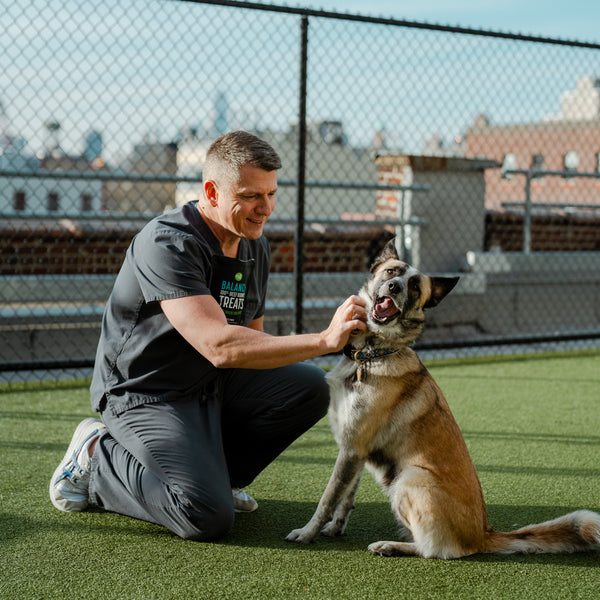
Dr. Brett Levitzke
Co-Chief Veterinarian

Dr. George C. Fahey, Jr.
PhD Animal Nutritionist

Dr. Jamie L. Peyton
Co-Chief Veterinarian

Dr. Kendra Pope
Veterinary Oncologist
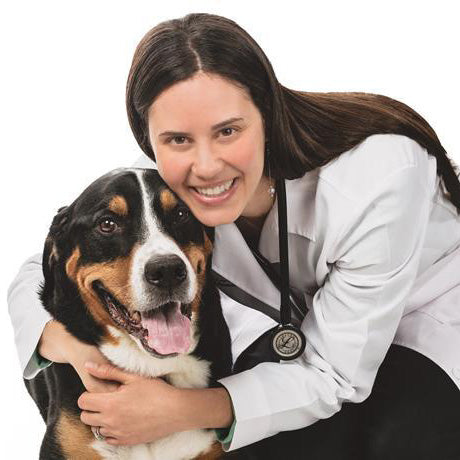
Dr. Lindsay Thalheim
Veterinary Oncologist
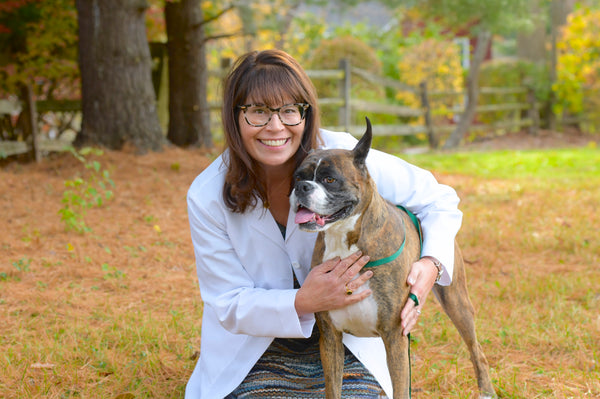
Dr. Renee Alsarraf
Veterinary Oncologist & Author


