

10 Keys to Dog Longevity
How to help your dog live a longer, healthier, more joyful life.
Most dogs don't live as long as they could. Not because of bad luck — but because of preventable factors that compound over time. The science of dog longevity has made real progress. These are the 10 things that matter most.
1. Start With the Gut
Gut health is whole-body health. A thriving gut microbiome doesn't just improve digestion — it strengthens the immune system, regulates energy, supports skin and coat, and even influences mood and behavior.
70% of your dog's immune system lives in the gut. When the microbiome is balanced, the entire body functions better. When it's disrupted, you see it everywhere.
Start here. Everything else builds on this foundation.
2. Feed Whole Food Ingredients
Highly processed food — regardless of how it's marketed — strips away the enzymes, nutrients, and bioavailability that dogs need to thrive. Dogs eating whole food ingredients absorb more, eliminate more efficiently, and sustain better energy levels over time.
Look for: real, named proteins; whole vegetables and fruits; no corn syrup, artificial flavors, or synthetic preservatives.
3. Feed for Function, Not Format
Kibble vs. fresh vs. freeze-dried vs. raw — the format debate misses the point. What matters is whether the food actively supports your dog's biology.
Function-first nutrition means food designed to support gut health, nutrient absorption, immune function, and cellular repair — not just food that meets minimum regulatory standards.
4. Support the Microbiome Daily
The gut microbiome isn't a fixed system — it responds to what goes in the bowl every single day. Consistent daily support with prebiotics, probiotics, and postbiotics maintains the bacterial balance that drives whole-body health.
Get Joy's Belly Biotics™ delivers all three in every meal — not as a separate supplement, but as a structural part of every recipe.
5. Keep Them Moving
Regular physical activity maintains muscle mass, supports joint health, and keeps the cardiovascular system strong. It also reduces anxiety and improves sleep quality.
Daily movement doesn't require marathon walks. Consistent moderate activity — appropriate to your dog's age, breed, and health status — is what matters.
6. Maintain a Healthy Weight
Excess weight accelerates aging. It increases inflammation, puts stress on joints, and is associated with shorter lifespan across breeds.
The clearest indicator isn't the scale — it's body condition. You should be able to feel (but not see) your dog's ribs with light pressure.
7. Reduce Chronic Inflammation
Chronic low-grade inflammation is one of the primary drivers of age-related disease in dogs. It shows up in joint deterioration, skin issues, digestive problems, and more.
Diet is the most direct lever. Omega-3 fatty acids, antioxidant-rich vegetables, and ingredients that support the gut microbiome all help regulate the body's inflammatory response.
8. Prioritize Preventative Care
Regular vet visits aren't just for when something is wrong. Bloodwork, dental care, and wellness screenings catch problems before they become costly — and often before they affect quality of life.
Annual wellness visits for dogs under 7. Twice yearly for senior dogs.
9. Protect Their Mental Wellbeing
The gut-brain connection is real in dogs. Gut health directly influences mood, stress response, and behavioral patterns.
Beyond nutrition: socialization, mental stimulation, consistent routine, and a calm environment all contribute to a dog's emotional health — which has a measurable impact on physical health over time.
10. Start Now, Not Later
The changes that extend a dog's life aren't dramatic interventions. They're daily choices — what goes in the bowl, how much movement they get, how consistently you support their gut health.
The earlier you start, the longer you have with them.
The Foundation of All 10: Gut Health
Every key on this list connects back to the gut. Immunity, nutrient absorption, inflammation, energy, mood — the gut is where it all starts.
Get Joy's Freeze Dried Raw Meals with Belly Biotics™ were built around this from the beginning. Not as a trend, but as the only place that actually makes sense to start.
Frequently Asked Questions About Dog Longevity
What is the average lifespan of a dog?
Average dog lifespan varies significantly by breed and size. Small breeds typically live 12–16 years, medium breeds 10–14 years, and large breeds 8–12 years. Giant breeds often have the shortest lifespans at 6–10 years. These are averages — nutrition, preventative care, and daily habits can meaningfully extend healthy lifespan.
What foods help dogs live longer?
Foods that support dog longevity are those built around gut health, whole food ingredients, and functional nutrition. This means real named proteins (100% USDA-sourced beef, chicken, turkey, or lamb), whole vegetables and fruits, no synthetic additives, and daily support for the gut microbiome through prebiotics, probiotics, and postbiotics.
Does gut health affect dog lifespan?
Yes. The gut microbiome regulates immunity, nutrient absorption, inflammation, energy, and even mood. Chronic gut imbalance is associated with accelerated aging, chronic disease, and reduced quality of life. Supporting gut health through consistent nutrition is one of the most evidence-backed approaches to extending healthy lifespan in dogs.
What are the signs of a healthy gut in dogs?
A healthy gut shows up in consistent, well-formed stools; steady energy levels throughout the day; healthy coat and skin with minimal shedding or itching; good appetite; and calm, engaged behavior. When the gut is thriving, you see it everywhere.
How do prebiotics, probiotics, and postbiotics help dogs live longer?
They work together to maintain the gut microbiome. Prebiotics feed beneficial bacteria. Probiotics introduce beneficial bacteria. Postbiotics are the bioactive compounds those bacteria produce — including short-chain fatty acids that directly support immunity and cellular health. Daily use, through food or supplementation, maintains the microbial balance that drives whole-body wellness over time.
From Customer to Co-Owner
His dogs have devoured Get Joy for 3 years.Then he invested in the mission.
“Our dogs have been devouring Get Joy for the past three years. So, rather than just continuing to order the food, I decided to invest and become an owner. I’m putting my money where their paws are.”
Our Experts Behind Our Products & Mission
Meet the vets and nutrition scientists helping Get Joy pioneer the next era of functional, gut-healthy nutrition.

Tom Arrix
Founder & CEO

Dan Buettner
Longevity Researcher and Best Selling Author
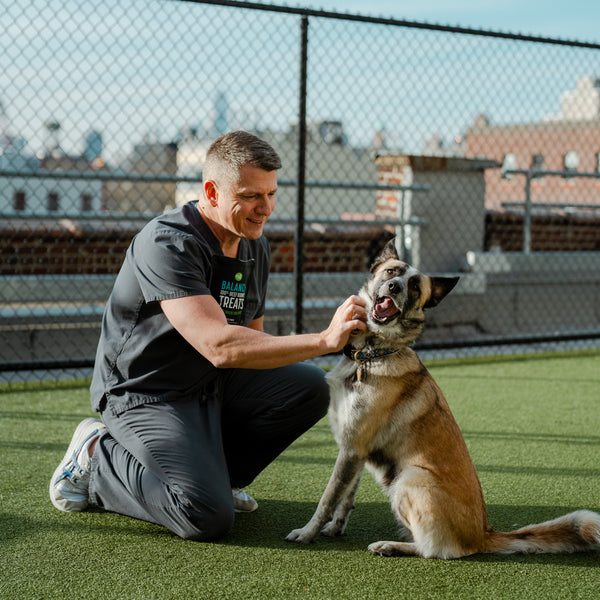
Dr. Brett Levitzke
Co-Chief Veterinarian

Dr. George C. Fahey, Jr.
PhD Animal Nutritionist

Dr. Jamie L. Peyton
Co-Chief Veterinarian

Dr. Kendra Pope
Veterinary Oncologist
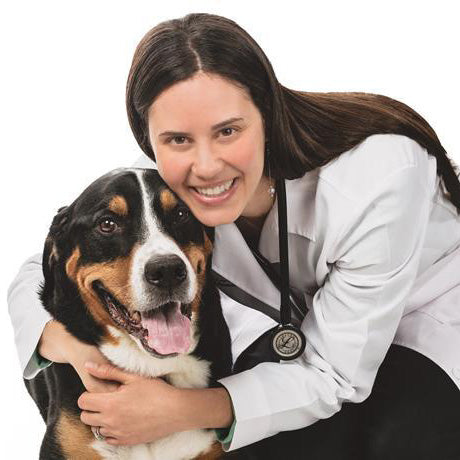
Dr. Lindsay Thalheim
Veterinary Oncologist
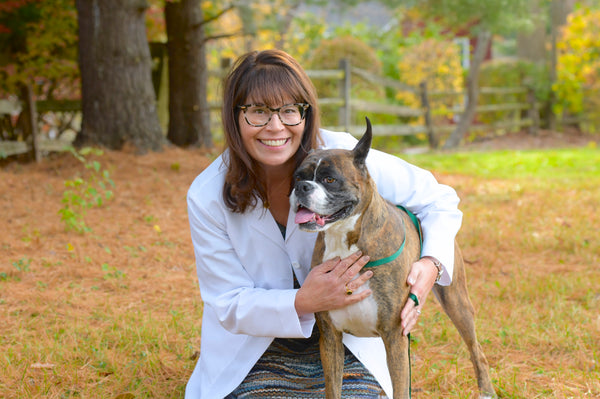
Dr. Renee Alsarraf
Veterinary Oncologist & Author


