

Get Joy Feeding Guide
How Much Should I Feed My Dog?
Most dogs eat a daily amount based on their weight, life stage, and activity level. Pick your Get Joy food below and we'll show you the exact daily serving — plus recipes, tips, and answers tailored to that food. No guesswork, no math.
1 Which food are you feeding?
2 Which recipe?
4 How much does your dog weigh?
🍽️ Your daily feeding guide
What's inside
Real food you can actually read
Whole-food ingredients with Belly Biotics™ built in for gut health — no fillers, no mystery.
Fresh Frozen Meals — pick your recipe
+Fresh Beef Recipe
| Ingredient | What it does |
|---|---|
| Beef & Beef Liver | USDA-sourced muscle meat & organ — complete protein, iron, zinc and natural vitamin A. |
| Carrots, Broccoli & Cauliflower | Whole-food veggies for fiber, antioxidants and everyday vitamins. |
| Brown Rice | Gentle whole grain for steady, easy-to-digest energy. |
| Flaxseed | Plant-based omega-3s for skin and coat. |
| Salmon Oil | EPA & DHA omega-3s for a shiny coat, healthy joints and brain. |
| Turmeric | Antioxidant that supports a healthy inflammatory response. |
| Inulin (prebiotic) | Feeds the good bacteria already in the gut — the "pre" in Belly Biotics™. |
| Yeast Culture (postbiotic) | Postbiotic metabolites that support the gut wall and immune balance. |
| Vitamins & minerals | Complete & balanced for all life stages (AAFCO). |
Full ingredient list: Beef, Carrots, Broccoli, Cauliflower, Beef Liver, Brown Rice, Salmon Oil, Flaxseed, Yeast Culture, Inulin, Turmeric, Dicalcium Phosphate, Magnesium Proteinate, Calcium Carbonate, Choline Chloride, Salt, Dried Kelp, Zinc Proteinate, Iron Proteinate, Vitamin E Supplement, Selenium Yeast, Copper Proteinate, Manganese Proteinate, Niacin Supplement, d-Calcium Pantothenate, Riboflavin Supplement, Vitamin A Supplement, Vitamin B12 Supplement, Thiamine Mononitrate, Pyridoxine Hydrochloride, Folic Acid, Vitamin D3 Supplement.
Made with whole-food ingredients. No seed oils, fillers, by-products, or artificial anything — ever.
+Fresh Chicken Recipe
| Ingredient | What it does |
|---|---|
| Chicken & Chicken Liver | USDA-sourced lean muscle meat & organ — highly digestible protein, iron and natural vitamin A. |
| Carrots, Broccoli & Cauliflower | Whole-food veggies for fiber, antioxidants and everyday vitamins. |
| Brown Rice | Gentle whole grain for steady, easy-to-digest energy. |
| Flaxseed | Plant-based omega-3s for skin and coat. |
| Salmon Oil | EPA & DHA omega-3s for a shiny coat, healthy joints and brain. |
| Turmeric | Antioxidant that supports a healthy inflammatory response. |
| Inulin (prebiotic) | Feeds the good bacteria already in the gut — the "pre" in Belly Biotics™. |
| Yeast Culture (postbiotic) | Postbiotic metabolites that support the gut wall and immune balance. |
| Vitamins & minerals | Complete & balanced for all life stages (AAFCO). |
Full ingredient list: Chicken, Carrots, Broccoli, Cauliflower, Chicken Liver, Brown Rice, Salmon Oil, Flaxseed, Yeast Culture, Inulin, Turmeric, Dicalcium Phosphate, Magnesium Proteinate, Calcium Carbonate, Choline Chloride, Salt, Dried Kelp, Zinc Proteinate, Iron Proteinate, Vitamin E Supplement, Selenium Yeast, Copper Proteinate, Manganese Proteinate, Niacin Supplement, d-Calcium Pantothenate, Riboflavin Supplement, Vitamin A Supplement, Vitamin B12 Supplement, Thiamine Mononitrate, Pyridoxine Hydrochloride, Folic Acid, Vitamin D3 Supplement.
Made with whole-food ingredients. No seed oils, fillers, by-products, or artificial anything — ever.
+Fresh Turkey Recipe
| Ingredient | What it does |
|---|---|
| Turkey & Turkey Liver | USDA-sourced muscle meat & organ — complete protein, iron, zinc and natural vitamin A. |
| Carrots, Broccoli & Cauliflower | Whole-food veggies for fiber, antioxidants and everyday vitamins. |
| Brown Rice | Gentle whole grain for steady, easy-to-digest energy. |
| Flaxseed | Plant-based omega-3s for skin and coat. |
| Salmon Oil | EPA & DHA omega-3s for a shiny coat, healthy joints and brain. |
| Turmeric | Antioxidant that supports a healthy inflammatory response. |
| Inulin (prebiotic) | Feeds the good bacteria already in the gut — the "pre" in Belly Biotics™. |
| Yeast Culture (postbiotic) | Postbiotic metabolites that support the gut wall and immune balance. |
| Vitamins & minerals | Complete & balanced for all life stages (AAFCO). |
Full ingredient list: Turkey, Carrots, Broccoli, Cauliflower, Turkey Liver, Brown Rice, Salmon Oil, Flaxseed, Yeast Culture, Inulin, Turmeric, Dicalcium Phosphate, Magnesium Proteinate, Calcium Carbonate, Choline Chloride, Salt, Dried Kelp, Zinc Proteinate, Iron Proteinate, Vitamin E Supplement, Selenium Yeast, Copper Proteinate, Manganese Proteinate, Niacin Supplement, d-Calcium Pantothenate, Riboflavin Supplement, Vitamin A Supplement, Vitamin B12 Supplement, Thiamine Mononitrate, Pyridoxine Hydrochloride, Folic Acid, Vitamin D3 Supplement.
Made with whole-food ingredients. No seed oils, fillers, by-products, or artificial anything — ever.
+Fresh Lamb Recipe
| Ingredient | What it does |
|---|---|
| Lamb & Lamb Liver | Novel protein & organ — easy on sensitive dogs; iron, zinc and natural vitamin A. |
| Carrots, Peas, Spinach & Celery | Whole-food veggies for fiber, antioxidants and everyday vitamins. |
| Cranberries | Antioxidant-rich fruit that supports urinary health. |
| Quinoa | Gluten-free whole-grain seed for steady, easy-to-digest energy. |
| Flaxseed | Plant-based omega-3s for skin and coat. |
| Salmon Oil | EPA & DHA omega-3s for a shiny coat, healthy joints and brain. |
| Turmeric | Antioxidant that supports a healthy inflammatory response. |
| Inulin (prebiotic) | Feeds the good bacteria already in the gut — the "pre" in Belly Biotics™. |
| Yeast Culture (postbiotic) | Postbiotic metabolites that support the gut wall and immune balance. |
| Vitamins & minerals | Complete & balanced for all life stages (AAFCO). |
Full ingredient list: Lamb, Carrots, Peas, Lamb Liver, Spinach, Celery, Cranberries, Quinoa, Salmon Oil, Flaxseed, Yeast Culture, Inulin, Turmeric, Dicalcium Phosphate, Magnesium Proteinate, Calcium Carbonate, Choline Chloride, Salt, Dried Kelp, Zinc Proteinate, Iron Proteinate, Vitamin E Supplement, Selenium Yeast, Copper Proteinate, Manganese Proteinate, Niacin Supplement, d-Calcium Pantothenate, Riboflavin Supplement, Vitamin A Supplement, Vitamin B12 Supplement, Thiamine Mononitrate, Pyridoxine Hydrochloride, Folic Acid, Vitamin D3 Supplement.
Made with whole-food ingredients. No seed oils, fillers, by-products, or artificial anything — ever.
Freeze-Dried Raw — pick your recipe
+Freeze-Dried Raw Beef Recipe
| Ingredient | What it does |
|---|---|
| Beef, Beef Heart, Beef Kidney & Beef Liver | USDA-sourced muscle meat & organs — complete protein, iron, taurine, zinc and natural vitamin A. |
| Sorghum | Gentle, gluten-free ancient grain for steady, easy-to-digest energy. |
| Pumpkin | Soluble fiber that supports firm stool and smooth digestion. |
| Flaxseed | Plant-based omega-3s for skin and coat. |
| Salmon Oil | EPA & DHA omega-3s for a shiny coat, healthy joints and brain. |
| Inulin (prebiotic) | Feeds the good bacteria already in the gut — the "pre" in Belly Biotics™. |
| Yeast Culture (postbiotic) | Postbiotic metabolites that support the gut wall and immune balance. |
| Belly Biotics™ live probiotics | 5 strains — Bacillus coagulans, L. acidophilus, L. casei, L. reuteri & Bifidobacterium animalis — 3 billion CFU per pound, built into every bite. |
| Vitamins & minerals | Complete & balanced for all life stages (AAFCO), including large-breed puppies. |
Full ingredient list: Beef, Beef Heart, Beef Kidney, Beef Liver, Sorghum, Pumpkin, Flaxseed, Salmon Oil, Yeast Culture, Inulin, Vitamins (Vitamin E, Niacin, D-Calcium Pantothenate, Riboflavin, Thiamine Mononitrate, Pyridoxine Hydrochloride, Vitamin A, Vitamin B12, Vitamin D3, Folic Acid), Minerals (Potassium Chloride, Iron Proteinate, Zinc Proteinate, Copper Proteinate, Selenium Yeast, Manganese Proteinate, Dicalcium Phosphate), Salt, Mixed Tocopherols (preservative), Dried Bacillus coagulans, Lactobacillus acidophilus, Lactobacillus casei, Lactobacillus reuteri & Bifidobacterium animalis fermentation products.
100% USDA-sourced. Gently freeze-dried. No seed oils, fillers, by-products, or artificial anything — ever.
+Freeze-Dried Raw Chicken Recipe
| Ingredient | What it does |
|---|---|
| Chicken & Chicken Liver | USDA-sourced lean muscle meat & organ — highly digestible protein, iron and natural vitamin A. |
| Sorghum | Gentle, gluten-free ancient grain for steady, easy-to-digest energy. |
| Pumpkin | Soluble fiber that supports firm stool and smooth digestion. |
| Flaxseed | Plant-based omega-3s for skin and coat. |
| Salmon Oil | EPA & DHA omega-3s for a shiny coat, healthy joints and brain. |
| Inulin (prebiotic) | Feeds the good bacteria already in the gut — the "pre" in Belly Biotics™. |
| Yeast Culture (postbiotic) | Postbiotic metabolites that support the gut wall and immune balance. |
| Belly Biotics™ live probiotics | 5 strains — Bacillus coagulans, L. acidophilus, L. casei, L. reuteri & Bifidobacterium animalis — 3 billion CFU per pound, built into every bite. |
| Vitamins & minerals | Complete & balanced for all life stages (AAFCO), including large-breed puppies. |
Full ingredient list: Chicken, Chicken Liver, Sorghum, Pumpkin, Salmon Oil, Flaxseed, Yeast Culture, Inulin, Salt, Vitamins (Vitamin E, Niacin, D-Calcium Pantothenate, Riboflavin, Thiamine Mononitrate, Pyridoxine Hydrochloride, Vitamin A, Vitamin B12, Vitamin D3, Folic Acid), Minerals (Potassium Chloride, Iron Proteinate, Zinc Proteinate, Copper Proteinate, Selenium Yeast, Manganese Proteinate, Dicalcium Phosphate), Mixed Tocopherols (preservative), Dried Bacillus coagulans, Lactobacillus acidophilus, Lactobacillus casei, Lactobacillus reuteri & Bifidobacterium animalis fermentation products.
100% USDA-sourced. Gently freeze-dried. No seed oils, fillers, by-products, or artificial anything — ever.
Feeding Tips
A few simple things to keep mealtime joyful and their gut happy.
How to Switch to Get Joy
Transition gradually over about a week so their gut can adjust.
-
Days 1–2Serve ¼ Get Joy mixed with ¾ of their current food.
-
Days 3–4Move to a 50/50 mix of Get Joy and their old food.
-
Days 5–6Shift to ¾ Get Joy and ¼ old food.
-
Day 7+Feed 100% Get Joy at the daily amount from the calculator above.
Your next 14 days
Feeding · FAQ
Your feeding questions, answered
The questions dog parents ask us most.
+How much should I feed my dog?
+How do I transition my dog to Get Joy?
+How many times a day should I feed my dog?
+Can I use Get Joy as a topper instead of a full meal?
+How do I store & serve Fresh Frozen Meals?
+Does Fresh Frozen have probiotics?
+How do I prepare Freeze-Dried Raw?
+How is Freeze-Dried Raw made — and is it safe?
+How do I store Freeze-Dried Raw?
+How much should I feed a puppy?
+Will my dog's poop change on Get Joy?
+Is Get Joy complete and balanced?
Ready to shop?
Get your dog started
See full product details, or find Get Joy at a store near you.


From Customer to Co-Owner
His dogs have devoured Get Joy for 3 years.Then he invested in the mission.
“Our dogs have been devouring Get Joy for the past three years. So, rather than just continuing to order the food, I decided to invest and become an owner. I’m putting my money where their paws are.”
Our Experts Behind Our Products & Mission
Meet the vets and nutrition scientists helping Get Joy pioneer the next era of functional, gut-healthy nutrition.

Tom Arrix
Founder & CEO

Dan Buettner
Longevity Researcher and Best Selling Author
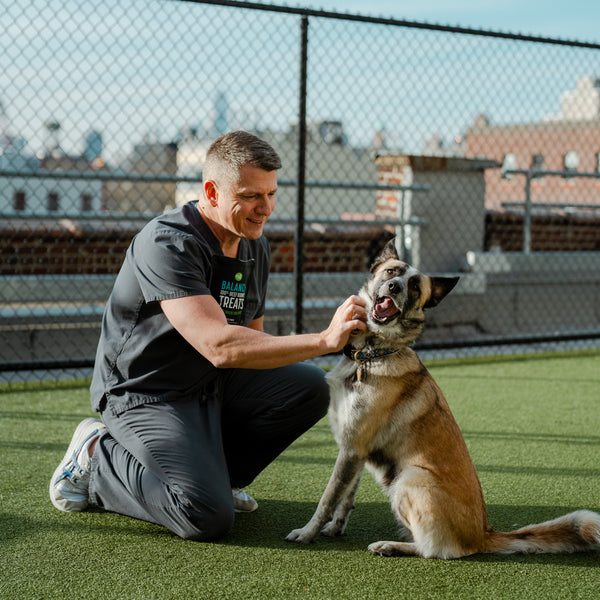
Dr. Brett Levitzke
Co-Chief Veterinarian

Dr. George C. Fahey, Jr.
PhD Animal Nutritionist

Dr. Jamie L. Peyton
Co-Chief Veterinarian

Dr. Kendra Pope
Veterinary Oncologist
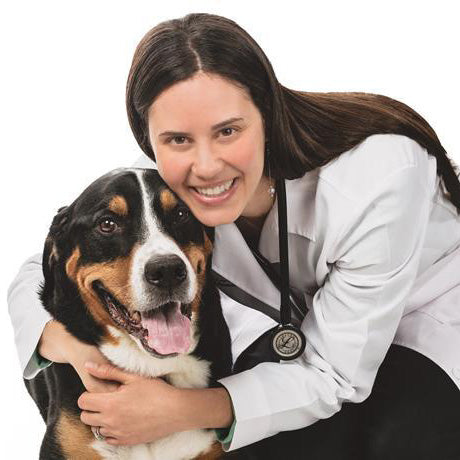
Dr. Lindsay Thalheim
Veterinary Oncologist
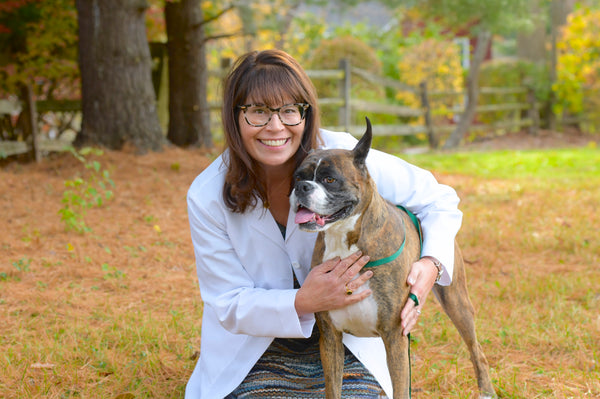
Dr. Renee Alsarraf
Veterinary Oncologist & Author


