Bestseller


 Gut health
 Sensitive stomach
 Calm
Calm Joints & mobility
 Skin & coat
 Healthy weight
 Picky eaters



Is Your Dog Overweight? How to Tell
by The Get Joy Team ・ 16 min readLast updated: May 2026
Carrying extra weight quietly affects millions of dogs, often without their owners realizing it until the problem is well established. This article walks you through the hands-on checks and at-home weigh-ins that make it easy to assess your dog's body condition accurately, plus when to bring in a vet, how nutrition choices impact weight, and which exercise strategies deliver real, lasting results.
Most Affected Breeds: Labrador Retrievers, Beagles, Pugs, Bulldogs, Dachshunds, and Cocker Spaniels are most prone to obesity and weight-related health issues.
Spotting the Signs: Is Your Dog Overweight?
Knowing how to tell if your dog is overweight starts with a simple hands-on approach that works better than eyeballing from across the room. Your dog's body tells the whole story if you know where to look and feel.
Start with the rib test. Run your hands along your dog's sides with gentle pressure. You should feel the ribs easily without pressing hard, but they shouldn't be visible through the skin. If you're digging around trying to locate ribs under a layer of fat, that's a clear sign your dog is carrying extra weight.
Next, check the waistline from above. When you look down at your dog from overhead, you should see a clear waist tuck behind the ribs. Think hourglass shape, not barrel. From the side, the belly should tuck up toward the hind legs rather than hanging down or staying level with the chest.
Watch how your dog moves. Signs your dog is overweight include heavy panting during light activity, reluctance to climb stairs, or needing frequent breaks during normal walks. Extra weight makes everything harder work.
The face and neck area can reveal weight gain too. A round face or thick neck often indicates overall weight issues, especially in breeds that naturally have leaner features.
Don't rely solely on breed standards or what looks "normal" for your specific dog. Weight creep happens gradually, and what feels normal might actually be 10-15 pounds over ideal weight. Even veterinary professionals sometimes miss weight issues during quick checkups.
These physical assessments give you a reliable starting point for dog weight management. Trust what your hands tell you over what your eyes see. Dogs are masters at looking adorable regardless of their weight, but their bodies don't lie about what's happening underneath that fluffy coat.
The Scale Doesn't Lie: Weighing Your Dog at Home
Regular weigh-ins at home give you the power to catch weight changes before they become serious health issues. Think of it as your early warning system—those extra pounds creep on slowly, but consistent tracking helps you spot trends and take action fast.
Here's how to get accurate readings without the stress:
- Use the buddy system with your bathroom scale. Step on first, note your weight, then pick up your dog and weigh again. Subtract your solo weight from the combined total. Simple math, reliable results.
- Choose the right timing. Weigh at the same time each session, ideally before breakfast when your dog's stomach is empty. This eliminates variables from meals and water intake.
- Keep anxious dogs calm. Let them sniff the scale first, offer treats for stepping near it, and speak in soothing tones. If they're squirmy in your arms, have another family member help with gentle restraint or distraction.
- Record everything. Write down the weight, date, and any notes about diet changes or activity levels. Patterns emerge when you track consistently.
- Stay consistent with your scale. Use the same scale each time since different scales can vary by a few pounds.
Weighing Schedule & Red Flags
- Overweight dogs: Weekly weigh-ins during active weight loss
- Healthy dogs: Monthly maintenance checks
- Concerning changes: Weight gain or loss of more than 2-3% in a week warrants attention
The real value isn't in any single number—it's in the trends over time. A scale that climbs steadily over months reveals weight gain long before visual cues become obvious. These consistent measurements become your roadmap for adjusting food portions, increasing exercise, or scheduling vet visits before minor fluctuations turn into major health concerns.
Consulting the Experts: When to Visit the Vet
While your at-home assessments give you a solid starting point, nothing beats professional veterinary expertise when it comes to determining if your dog is carrying extra weight. Vets bring the training and diagnostic tools needed to objectively evaluate your dog's body condition and develop a weight management strategy that actually delivers results.
Here are the key situations when you should schedule a veterinary consultation:
- When your visual and physical assessments suggest weight issues - If you can't feel those ribs or notice a disappearing waistline, it's time for professional confirmation.
- If your dog shows concerning symptoms - Heavy breathing during light activity, reluctance to exercise, or difficulty getting up are red flags that warrant immediate attention.
- For dogs with existing health conditions - Diabetes, arthritis, or heart conditions make weight management critical, and these cases require veterinary oversight.
- Before starting any diet or exercise program - A professional assessment ensures you're taking the right approach for your dog's specific needs.
- For senior dogs needing regular monitoring - Older dogs benefit from routine weight checks as part of their overall health maintenance.
During a professional weight assessment, your vet will perform a comprehensive body condition scoring that goes well beyond simple scale numbers. They'll evaluate muscle tone, fat distribution, and overall body composition while discussing your dog's current diet, exercise routine, and any behavioral changes you've noticed. Many vets will also screen for underlying health issues that could be driving weight gain.
Need guidance sooner rather than later? You can start a virtual vet session for immediate professional advice about your dog's weight concerns.
Professional veterinary guidance eliminates the guesswork from weight management. Your vet will customize recommendations based on your dog's age, breed, activity level, and health status, ensuring any weight loss plan is both safe and sustainable.
Nutrition Matters: Choosing the Right Diet
When it comes to managing your dog's weight, the quality of their food is more important than just reducing portions. A nutrient-dense diet provides the building blocks for a healthy metabolism and keeps them satisfied, making it easier to maintain an ideal weight. Foods packed with fillers and empty calories can sabotage your efforts, regardless of portion control.
High-quality, balanced diets provide several key benefits for maintaining a healthy weight:
- Enhanced metabolism: Premium proteins and nutrients fuel efficient calorie burning, helping your dog manage their weight effectively.
- Better satiety: Foods rich in nutrients keep your dog feeling fuller for longer, reducing their desire to seek more food.
- Reduced inflammation: Clean ingredients without fillers help decrease inflammation, which can hamper metabolism.
- Stable blood sugar: Good nutrition prevents energy spikes and crashes that can lead to hunger.
- Improved muscle maintenance: Proper protein intake supports lean muscle mass, allowing the body to burn more calories even at rest.
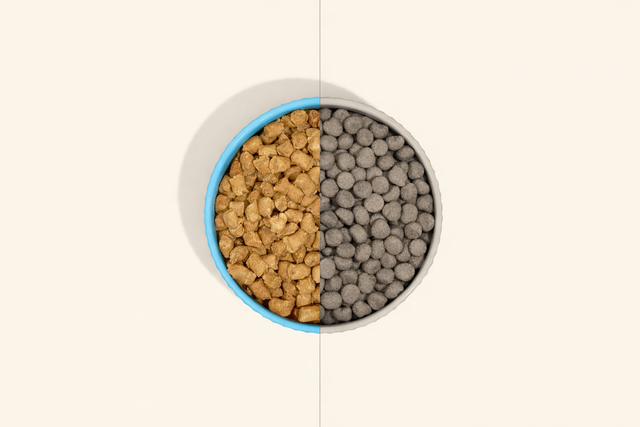
Many commercial kibbles fall short in providing real nutrition. They're often filled with grain-based fillers that increase calorie content without adding value. In contrast, Freeze Dried Raw food offers concentrated nutrition without the processed fillers that contribute to weight gain. It's like the difference between a candy bar and a nutrient-packed meal—both might contain similar calories, but only one truly nourishes your pet.
Supporting gut health can amplify these benefits. When digestion works properly, your dog absorbs more nutrients from their food, reducing the drive to eat more. Belly Biotics™ can enhance this process, ensuring your dog gets the most out of every meal while maintaining a healthy weight.
How can you tell if your dog is overweight? Prioritize quality nutrition, and you'll see your dog's energy levels and weight stabilize, leading to long-term health and happiness. The key to weight management isn't about strict dieting—it's about choosing foods that align with your dog's biological needs.
Nutrition That Works With Your Dog's Body
Get Joy's Freeze Dried Raw Meals are built with Belly Biotics™ — prebiotics, probiotics, and postbiotics in every bite — to support gut health, appetite regulation, and healthy weight management without the tradeoffs.
Shop Freeze Dried Raw MealsActive Lifestyle: Exercise Tips for a Healthier Dog
Regular exercise isn't just about burning off your dog's energy—it's the foundation of effective weight management and long-term health. A solid exercise routine addresses both sides of the weight equation: calories consumed and calories burned. Different breeds and sizes need tailored approaches, especially large dogs who face unique wellness challenges related to joint health and exercise intensity.
Here are proven exercise strategies that actually work:
- Daily walks: Start with 20-30 minutes for most dogs, adjusting based on age and fitness level. Small breeds need shorter, more frequent walks while larger breeds often require longer sessions
- Interactive play sessions: Dedicate 15-20 minutes twice daily to fetch, tug-of-war, or chase games that get hearts pumping
- Swimming: Low-impact exercise perfect for overweight dogs or those with joint issues. Even 10-15 minutes delivers excellent cardiovascular benefits
- Mental stimulation activities: Puzzle toys, training sessions, and scent work burn mental energy while keeping dogs engaged for 10-15 minutes daily
- Hiking or trail walking: Vary terrain and intensity for dogs in good shape. Start with easier trails and build endurance gradually
- Structured playdates: Social exercise with other dogs combines physical activity with mental engagement for 30-45 minutes
Key Fact: Veterinarians recommend a minimum of 30 minutes of exercise daily for most adult dogs, but overweight dogs may need 45-60 minutes of moderate activity to see meaningful weight loss results.
Consistency beats intensity when it comes to helping dogs reach their ideal weight. Start slow if your dog has been sedentary—jumping into intense exercise can cause injury or burnout. Watch for signs of fatigue like excessive panting, drooling, or reluctance to continue. The goal is sustainable activity that becomes part of your daily routine.
The best exercise routine is the one that happens every single day. Find activities your dog genuinely enjoys, and you'll both stick with it long enough to see real results.
Taking Action: Your Next Steps for a Healthier Dog
Now that you know how to tell if your dog is overweight, it's time to turn that knowledge into action. Start with a thorough assessment using the visual and hands-on checks we covered. Feel for those ribs, check that waist tuck, and be honest about what you find.
If you suspect weight issues, schedule a vet visit within the next two weeks. Your veterinarian can confirm your assessment and rule out underlying health conditions that might be contributing to weight gain. They'll also help you establish a realistic target weight and timeline for your specific dog.
Set up a simple monitoring system that fits your routine. Weekly weigh-ins at the same time of day give you reliable data without the noise of daily fluctuations. Take progress photos from the side every two weeks—they capture visual changes that numbers on a scale might miss.
Start your dog weight management plan with small, sustainable changes. Measure food portions precisely instead of eyeballing them. Swap high-calorie treats for healthier options, or use pieces of their regular kibble as training rewards. Add an extra 10-15 minutes to daily walks before diving into intense exercise routines.
Pay attention to what works and what doesn't. If weight loss stalls after a month, reassess portions or activity levels. Some dogs do better with multiple small meals throughout the day rather than two large ones—it helps maintain steady energy and prevents overeating.
Keep realistic expectations: healthy weight loss for dogs means dropping 1-2% of body weight per week. The slow approach wins when you're building lifelong habits that keep your companion healthy and energetic for years to come.
Browse More Topics

Written by
The Get Joy Team
Shop by Concern


Featured Posts
Keeping Your Dog Healthy in Winter: Cold Weather, Immunity, and Gut Health
The Best Dog-Safe Christmas Treats (Store-Bought and Homemade)