Bestseller


 Gut health
 Sensitive stomach
 Calm
Calm Joints & mobility
 Skin & coat
 Healthy weight
 Picky eaters


How Long Can Dogs Go Without Water
by The Get Joy Team ・ 11 min readWater is one of those things that’s easy to overlook until it becomes an urgent problem. This article breaks down exactly how long dogs can go without water, what early dehydration looks like before it turns serious, and what to do the moment you notice your dog isn’t drinking enough. The answers are simpler than you’d think, and knowing them now puts you ahead of the problem.
How long can dogs go without water? The short answer
Most dogs should not go more than 12 to 24 hours without water—and even that range is pushing it for many. The honest answer to how long dogs can go without water is: not nearly as long as you’d expect, and the margin for error shrinks fast depending on the dog.
Dehydration doesn’t wait a full day to show up. Dog dehydration symptoms can appear within just a few hours, especially when it’s hot out, your dog has been active, or they’re already dealing with an illness. A healthy adult dog in a cool, calm environment will hold up better than a senior, a small breed, or a dog recovering from vomiting or diarrhea. For those dogs, even a few missed hours of drinking can start to tip the scale.
The baseline most veterinarians point to: roughly one ounce of water per pound of body weight per day. That’s how much water a dog should drink daily to stay properly hydrated. Fall short of that consistently, and the body starts compensating in ways that aren’t built to last.
The bottom line is simple. If your dog hasn’t had water in more than 12 hours, pay attention. If it’s closer to 24 hours or beyond, act now. And if your dog is drinking but not quite enough, it’s worth knowing how to get your dog to drink more water before it becomes a bigger problem.
Signs your dog is getting dehydrated before it turns serious
Dehydration rarely shows up with a drumroll. By the time you notice something is off, the problem may have been building for hours. Since the answer to how long can dogs go without water can be shorter than people expect, spotting early changes matters.
Early warning signs:
- Dry or tacky gums — Healthy gums should feel wet and slick. If they feel sticky, fluid levels may be dropping.
- Sticky, thick saliva — When saliva gets ropey, the body is trying to hold onto water.
- Lethargy — Less energy, slower movement, not interested in normal stuff.
- Reduced appetite — A dog that skips food may be dealing with more than simple pickiness.
- Slightly sunken eyes — Easy to miss, but worth paying attention to.
Quick check: Take a look at the gums. They should be moist, not dry or tacky. You can also press gently and watch the color return, but that check tells you more about circulation than dehydration on its own.
Urgent warning signs: this is not a wait-and-see moment
- Vomiting — Now they’re losing even more fluid.
- Extreme weakness or collapse — This can mean dehydration is affecting normal body function.
- Deeply sunken eyes — A stronger sign of significant fluid loss.
- Refusing water completely — If water is right there and they still won’t drink, take it seriously.
Dehydration is dangerous because it strains the kidneys, heart, and other organs fast. If you’re seeing these more severe dog dehydration symptoms, don’t guess. Read more about when you should see a vet and get help.
What changes how much water a dog needs
Not every dog has the same hydration needs, and how long a dog can go without water safely can shrink fast depending on a few key variables. Knowing what drives those differences helps you catch risk early, before it becomes an emergency.
As a general guide, most dogs need roughly one ounce of water per pound of body weight each day. Here’s how that shakes out across common sizes:
| Dog’s weight | Approx. daily water | Everyday equivalent |
|---|---|---|
| 10 lbs | ~10 oz | About 1¼ cups |
| 25 lbs | ~25 oz | About 3 cups |
| 50 lbs | ~50 oz | About 6¼ cups |
| 75 lbs | ~75 oz | About 9¼ cups |
These are starting points, not hard rules—heat, activity, diet, and health can all push the number up.
Factors that affect how much water your dog needs:
- Size: Larger dogs need more water by volume—roughly one ounce per pound of body weight daily
- Age: Puppies and seniors have less physiological reserve, so dehydration hits them harder and faster
- Activity level: A dog that runs, hikes, or plays hard burns through fluids significantly faster than one committed to the couch
- Temperature and humidity: Heat accelerates fluid loss through panting, and humidity makes it harder for dogs to cool down efficiently
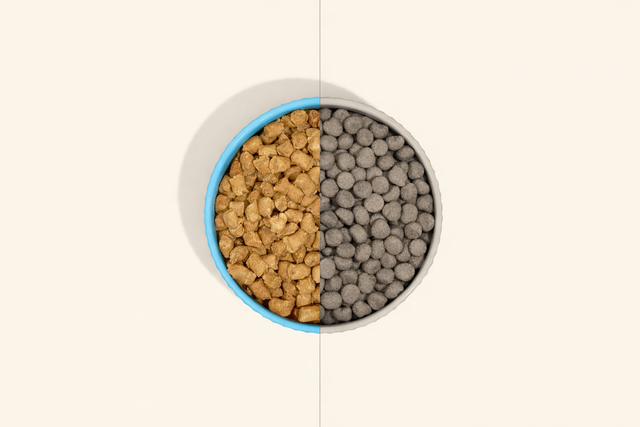
- Diet type: Dogs eating dry kibble need more water overall than those eating wet or fresh food, which already delivers meaningful moisture
- Underlying health conditions: Kidney disease, diabetes, and certain medications raise water needs and dehydration risk considerably
A large, active dog in hot weather can reach dangerous dehydration territory within hours. A smaller, sedentary dog in a cool house is working with a much wider margin.
Puppies, seniors, and dogs managing illness need closer monitoring across the board. Their bodies are simply less equipped to regulate fluid balance, and how much water a dog should drink daily looks different for them than for a healthy adult in moderate conditions—often requiring more careful tracking, not less.
For practical guidance on hydration during warmer months and higher activity, Get Joy’s summer wellness tips are worth a look.
Why dogs stop drinking and what to do right away
A dog that suddenly stops drinking is one of the earliest signs something is off—and it matters more than most people realize. To put it in perspective: 24 hours is roughly where the risk window opens, and things can decline quickly from there.
Common reasons dogs avoid water:
- Nausea or an upset stomach
- Pain, especially around the mouth, teeth, or throat
- Stress, anxiety, or a recent change in routine
- A dirty bowl, or one that smells like dish soap or plastic
- Travel and unfamiliar environments
- Extreme heat, which can actually suppress thirst before it triggers it
First steps to try at home:
- Offer fresh, cool water in a clean bowl and try moving it to a different spot
- Switch bowl materials if needed—stainless steel is generally the safest bet
- Add warm water to dry kibble to work in extra hydration at mealtime
- Offer wet food temporarily if your dog is on a dry diet
- Try a small amount of low-sodium, dog-safe broth to make water more appealing
- Keep multiple water sources available, especially on warmer days
Most dogs will come around with a few small changes. But if your dog refuses water for more than 24 hours, or you’re noticing dog dehydration symptoms like lethargy, dry gums, or sunken eyes, don’t wait it out. Call your vet.
When to call the vet and how to keep water intake up
If your dog is showing signs of serious dehydration, don’t wait it out. Sunken eyes, loss of skin elasticity, extreme lethargy, or gums that are pale, dry, or tacky all warrant a call to your vet—now. Home remedies won’t cut it at that stage. Dogs can go from uncomfortable to critical faster than most people expect, and IV fluids may be the only safe way to rehydrate them.
For less urgent situations where your dog is simply drinking less than usual, a few consistent habits go a long way:
- Keep fresh water available at all times in a clean bowl your dog actually wants to drink from
- Refresh the bowl at least once or twice a day
- Add a splash of low-sodium bone broth to make water more appealing
- Offer wet or moisture-rich food alongside dry kibble
- On hot days or after exercise, offer water more frequently in smaller amounts
- When traveling, bring a collapsible bowl and your dog’s usual water source—unfamiliar smells or tastes can make them reluctant to drink
Gut health also plays a quieter role than most people realize. When digestion is working well, your dog absorbs nutrients more efficiently and stays more balanced overall. Belly Biotics™ supports that with prebiotics, probiotics, and postbiotics working together—but it’s a supplement, not a stand-in for water or veterinary care.
Knowing how long dogs can go without water matters, but prevention is always the easier road. Keep the bowl full, notice changes early, and trust your gut when something feels off.
Browse More Topics

Written by
The Get Joy Team
Shop by Concern


Featured Posts
Keeping Your Dog Healthy in Winter: Cold Weather, Immunity, and Gut Health
The Best Dog-Safe Christmas Treats (Store-Bought and Homemade)