Bestseller
 Gut health
 Sensitive stomach
 Calm
Calm Joints & mobility
 Skin & coat
 Healthy weight
 Picky eaters



Best Treats for Dogs with Food Allergies
by The Get Joy Team ・ 15 min readFinding the right treats for dogs with allergies is one of those things that sounds simple until you’re standing in the pet food aisle squinting at an ingredient list that somehow includes seventeen items on a package labeled “gentle.” This guide cuts through the label noise, lays out what actually makes a treat safe during allergy management, and helps you figure out when simple is the whole strategy and when skipping treats altogether is the smarter call. Whether you’re mid-elimination diet or just trying to stop the itch-and-flare cycle, here’s what you actually need to know.
What to look for in treats when your dog has food allergies
Finding the right treats for dogs with allergies isn’t just about avoiding the obvious offenders. It’s about understanding what a treat actually needs to do when your dog is on an allergy management plan.
The core job of an allergy-friendly treat is simple: add zero new variables. That means a short ingredient list you can read in under ten seconds, no proteins your dog hasn’t been cleared for, and no hidden fillers quietly introducing common triggers. Many treats marketed as “gentle” or “sensitive” still contain multiple protein sources, natural flavors (which can mask almost anything), and grain-based binders that muddy the picture entirely. Gentle isn’t the same as useful.
Beef, chicken, dairy, and eggs are among the most commonly reported food allergy triggers in dogs. Feeding approved treats limits the source and amount of potential allergens, which is why what goes into a treat matters just as much as what’s in the main meal. A treat that sneaks in chicken while your dog is on a novel-protein elimination diet doesn’t just cause a reaction—it resets the clock on your entire diagnostic process.
The best limited ingredient dog treats do a few things well: one or two clearly named ingredients, a protein your dog hasn’t encountered before, and no additives that could confuse the results. That’s the standard worth holding to—and it’s a higher bar than most brands on the shelf are actually clearing.
For a closer look at what genuinely qualifies, explore these allergy-friendly dog treat options.
Why single-ingredient and novel-protein treats are usually the safest place to start
When food allergies are in the mix, simple wins. Fewer ingredients mean fewer suspects, which makes it much easier to figure out what belongs in the bowl and what needs to go. That’s why single-ingredient and limited ingredient dog treats are usually the smartest place to start.
Single-ingredient treats vs. novel-protein treats: what’s the difference?
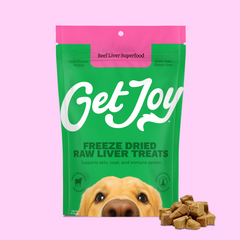
Single-ingredient treats are exactly what they sound like: one identifiable ingredient, nothing extra. Think Freeze Dried Raw beef liver or dehydrated sweet potato. No mystery binders. No “natural flavor.” No nonsense.
Novel-protein treats use a protein your dog hasn’t been eating regularly, like venison, rabbit, duck, or kangaroo. And no, “novel” doesn’t mean fashionable. It means less likely to overlap with the usual proteins already in your dog’s diet, which can make trial-and-error feeding a whole lot cleaner.
Why these are often the best dog treats for allergies:
- Fewer hidden triggers: simpler recipes make it easier to avoid common problem ingredients like chicken, beef, dairy, or wheat
- Cleaner elimination-diet tracking: when a treat has one ingredient, you know exactly what was eaten
- Less label confusion: single-ingredient and novel-protein options cut down the odds of accidental overlap with ingredients already on your watch list
- Faster pattern-spotting: if you’re choosing dog treats for itchy skin or digestive flare-ups, isolating one protein helps you connect symptoms to food more clearly
- Safer troubleshooting: treats for dogs with food sensitivities should not turn snack time into a guessing game
Bottom line: if you’re shopping for treats for dogs with allergies, start with the plainest option you can find. Boring is beautiful here. Once you know what your dog tolerates, you can get a little less strict. Until then, simple is the whole strategy.
How to read the label without getting fooled by marketing
Pet food marketing is built to sound wholesome. That’s exactly how dog companions end up with a bag of treats that looks clean on the front and gets messy fast on the back. When you’re shopping for treats for dogs with allergies, the ingredient panel matters more than the claims splashed across the package.
Here’s what deserves a hard no:
- “Meat meal” or “poultry meal” — If the animal isn’t named, you don’t know what protein your dog is getting. For treats for dogs with food sensitivities, that’s a problem.
- Generic “meat” or “poultry” — Same issue. Chicken, turkey, duck, or a blend can all hide under vague wording.
- “Natural flavors” — Sounds harmless. It often isn’t helpful. This catch-all term can mask animal-based ingredients or other common allergens.
- Flavor blends or long ingredient lists — The more moving parts, the more chances for a trigger ingredient to sneak in.
- Fillers like corn syrup or powdered cellulose — These don’t add much nutritional value and can make an already questionable treat even less worth it.
- Artificial colors — Dogs do not care whether a biscuit is bright red. That’s marketing, not nutrition.
- Sneaky grains or poultry ingredients — If you’re avoiding wheat, barley, chicken fat, or egg product, scan every line. Allergens don’t always show up in the first ingredient.
The simplest rule is also the best one: if a label hides the ingredients, that is the answer. Put it back.
This is why limited ingredient dog treats and truly hypoallergenic dog treats are usually easier to trust. Fewer ingredients. Fewer surprises. If you want a clearer breakdown of what label terms actually mean, this guide on how to read dog food labels is worth keeping handy.
Elimination-diet rules: what makes a treat safe while you test for allergies
An elimination diet is one of the best ways to figure out what is actually bothering your dog, but the rules are brutally simple: consistency is everything. Your vet may use a novel-protein plan, a hydrolyzed diet, or another tightly controlled approach. The exact setup can vary. What does not vary is this: if it is not part of the plan, it does not go in the bowl.
That includes treats, table scraps, dental chews, flavored medications, and the “just one little bite” situation that somehow always shows up at the worst time. One off-plan snack can muddy the results and make it harder to tell what is causing the reaction.
The core rule: during an elimination diet, every ingredient your dog eats needs to be approved, tracked, and boringly predictable.
What makes a treat safe during allergy testing:
- It matches the exact ingredients your vet approved
- It uses only proteins and other ingredients already allowed in the trial
- It has a short, transparent label with no mystery extras
- It skips added flavors, colorings, and fillers
- It is made in a way that lowers cross-contact risk with other proteins
In plain English, the best dog treats for allergies during a diet trial are usually the simplest ones. Often that means limited ingredient dog treats. Sometimes it means no treats at all.
And honestly, pausing treats for a few weeks is often the smartest move. Yes, it is boring. Boring is good here. Boring gets answers. If your dog companion is also switching food more broadly, this guide to exploring alternative pet diets can help you avoid extra variables.
Later in this guide, we’ll cover treats for dogs with allergies that make more sense once you know what your dog can actually handle.
When your dog needs more than a treat: support for itchy skin and sensitive digestion
Treats for dogs with allergies can help, but they do not fix a food plan that is already working against your dog. If the daily diet includes reactive ingredients, even the best dog treats for allergies are just window dressing. Start with the bowl. Then get picky about the extras.
The right treat can still pull its weight. Look for options that:
- Stick to one protein source or a very short ingredient list
- Avoid vague fillers, flavorings, and surprise add-ins
- Fit cleanly into a limited-ingredient or elimination-diet plan
- Bring some nutritional value, not just crunchy entertainment
That is why simple organ-based treats can make sense for some dogs with food sensitivities. Get Joy’s Superfood Organ Treats may be a better fit than heavily formulated snacks because the ingredient list stays straightforward and easy to evaluate. That matters when you are trying to avoid triggers, not collect them.
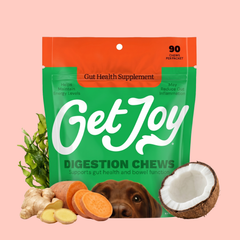
If itchy skin and messy stools keep showing up together, gut support may belong in the bigger conversation too. Some products include added ingredients like prebiotics, probiotics, postbiotics, or Belly Biotics™ as part of that broader routine. Useful for some dogs, sure. A substitute for cleaning up the diet? Not even close.
Want the gut-skin connection without the fluff? Read more about gut health, skin, and sensitive stomachs.
How to pick the best treat for your dog today
The decision doesn’t have to be complicated. Start with the shortest ingredient list you can find—one protein, maybe one or two supporting ingredients, nothing more. If your dog already tolerates chicken, a single-ingredient chicken treat is the obvious call. If you’re mid-elimination diet and chicken is off the table, reach for a novel protein like venison or rabbit that hasn’t been introduced yet.
When you’re actively troubleshooting allergies, discipline matters more than variety. Rotating treats or sneaking something new in mid-test muddies the water and drags out the process. Keep it boring on purpose.
Outside of an elimination phase, the bar is still high. The best treats for dogs with allergies have a few things in common: a short, readable ingredient list, a protein your dog has already cleared, and zero filler ingredients that add nothing but risk. Limited ingredient dog treats aren’t a niche find anymore, so there’s no reason to compromise.
If the bag takes more than ten seconds to decode, put it back. Treats for dogs with food sensitivities should be simple enough that there’s nothing to second-guess. Your dog doesn’t need a complex treat. They just need one that won’t set them back.
Frequently Asked Questions
What treats can you give a dog with allergies?
Give treats with the shortest, clearest ingredient list possible—ideally one ingredient or a limited formula using only proteins your dog already tolerates. Single-ingredient or novel-protein treats are usually the safest place to start, especially if you’re avoiding common triggers or trying to keep an elimination diet clean.
What are the best hypoallergenic treats for dogs?
The best hypoallergenic treats for dogs are usually single-ingredient or limited ingredient options with a clearly named protein and no vague extras like natural flavors, fillers, or colorings. If your dog is still being tested for allergies, the safest treat is one that matches the exact ingredients already approved.
Can dog treats give dogs allergies?
Yes—dog treats can trigger allergy reactions if they contain ingredients your dog reacts to, especially common offenders like chicken, beef, dairy, or eggs. A treat that slips in an off-plan ingredient can also derail an elimination diet, making it harder to figure out what’s actually causing the problem.
Browse More Topics

Written by
The Get Joy Team
Shop by Concern


Featured Posts
Keeping Your Dog Healthy in Winter: Cold Weather, Immunity, and Gut Health
The Best Dog-Safe Christmas Treats (Store-Bought and Homemade)