Bestseller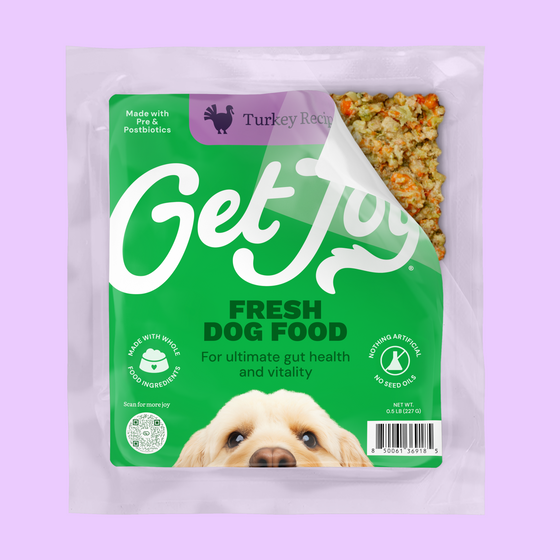
 Gut health
 Sensitive stomach
 Calm
Calm Joints & mobility
 Skin & coat
 Healthy weight
 Picky eaters


Decode Your Dog's Poop: Color and Shape
by The Get Joy Team ・ 18 min read🕐 Last Updated: May 2025 · 9 min read
Few things reveal your dog's health as quickly and reliably as what they leave behind on a walk. This guide covers everything from color and consistency to shape and what each variation signals — giving you a practical framework for reading your dog's stool like the health indicator it truly is. You'll also find guidance on common causes of digestive upset, when to call the vet, and how nutrition plays a central role in keeping things on track.
✓ Key Takeaways
- ✓ Chocolate-brown, log-shaped stool is the gold standard — it means digestion is working perfectly
- ✓ Yellow or green stool often signals dietary issues; red or black stool needs immediate vet attention
- ✓ Texture matters as much as color — mushy, watery, or mucus-coated stools all indicate different types of gut imbalance
- ✓ Persistent changes lasting 48+ hours always warrant a vet call
- ✓ Quality nutrition and Belly Biotics™ gut support are the foundation of consistently healthy stool
⚠ Breeds Most Prone to Digestive Issues
These breeds are more prone to food sensitivities, IBD, and chronic loose stool. Consistent gut-healthy nutrition and regular stool monitoring are especially important for them.
Understanding the Basics: What Your Dog's Poop Can Tell You
Your dog's daily deposits aren't just something to pick up and forget about. They're one of the most reliable windows into your companion's overall health and digestive wellness — think of it as your dog's daily health report, delivered fresh to your backyard.
Most dog companions focus on the obvious stuff: eating habits, energy levels, behavior changes. But here's what gut-health-minded owners know: your dog's stool tells a story that these other indicators often miss. Changes in color, shape, and consistency can signal everything from dietary sensitivities to more serious health concerns — sometimes days or weeks before other symptoms appear.
The basics are straightforward. Healthy dog stool should be chocolate brown, well-formed but not rock-hard, and easy to pick up without leaving much residue. It shouldn't smell overwhelmingly foul or contain visible mucus or strange colors. When you notice changes in these characteristics, your companion's digestive system is trying to tell you something important.
The color reflects what's happening during digestion. The consistency shows how well nutrients are being absorbed. The frequency indicates how efficiently food is moving through their system. These dog poop health indicators become second nature once you know what to look for.
Your dog's gut health plays a massive role in their overall wellness, affecting everything from immune function to mood. By paying attention to these daily signals, you're taking a proactive approach to their health rather than waiting for problems to become obvious.
Color Code: What Different Poop Colors Mean
Your dog's poop color acts like a health gauge, giving you instant updates on their digestive state. The ideal stool should be chocolate brown — a result of bile pigments naturally processing waste during digestion. Noticing any color shifts? Here's what each one signals:
Quick-Reference Color Chart
| Color | What It May Mean | Action Needed? |
|---|---|---|
| Brown | Normal — healthy digestion and bile production | None |
| Yellow | Fast transit, fat excess, stress, or food sensitivities | Monitor |
| Green | Grass consumption, bile moving too fast, diet changes | Monitor |
| Red | Lower GI bleeding, colitis, anal gland issues | Vet visit |
| Black | Upper GI bleeding (serious); or iron/medication side effect | Vet urgently |
| White/Gray | Bile not reaching intestines — liver or gallbladder issue | Vet visit |
| Orange | Diet, medications, or minor bile duct issues | Monitor |
Brown (Chocolate to Medium Brown)
Brown is the sweet spot. It shows digestion is on track and bile production is healthy. Your dog's gut is handling food efficiently, with everything working in harmony.
Yellow
Yellow stools can suggest quick passage through the digestive system or dietary misadventures — too much fat, food sensitivities, or stress-induced digestive woes. A random yellow episode post-rich meal isn't cause for panic, but recurring instances need a deeper look.
Green
Green poop usually means your dog has been grazing on grass or leafy greens, or had a treat with food coloring. It can also indicate bile rushing through the intestines too quickly. If you're seeing green without the grazing, think about any recent diet tweaks.
Red
Seeing red points to bleeding in the lower digestive tract — this might come from anal gland troubles, colitis, or irritation. If red stool pairs with ongoing digestive issues, investigating gut health problems is vital to unravel the cause.
Black (Tarry)
Black, tar-like stools suggest bleeding higher in the digestive system, signaling potentially serious issues. Veterinarian attention is crucial here. Note: some medications or iron supplements might cause darkened stool, so make a note of any new introductions.
White or Gray
Pale stool often means bile isn't reaching the intestines as it should — pointing to liver or gallbladder issues. This calls for a vet visit to get things checked out promptly.
While occasional color changes can result from adventurous eating or temporary digestive unrest, persistent color anomalies should push you to consult the vet. Keeping an eye on your dog's normal patterns helps you become an ace at spotting potential problems early.
Shape and Consistency: The Texture Tells a Tale
While color grabs attention, texture reveals the real story behind your dog's digestive health. Shape and consistency changes often appear days or weeks before other symptoms, making them your first line of defense in spotting potential issues.
Normal to Concerning: The Consistency Spectrum
- Firm, segmented logs — The gold standard. Easy to pick up, holds its shape, and indicates proper water absorption and healthy gut transit time.
- Soft-serve consistency — Slightly softer but still formed. Often signals minor dietary changes, stress, or the need for more fiber. Usually resolves within 24–48 hours.
- Loose, shapeless piles — Concerning when persistent. Points to dietary intolerance, bacterial imbalances, or digestive inflammation requiring attention.
- Watery liquid — Immediate red flag. Indicates severe digestive upset, potential infection, or serious underlying health issues demanding prompt veterinary care.
Abnormal Shapes That Signal Trouble
- Small, hard pellets — Classic sign of dehydration, insufficient fiber, or constipation from poor-quality ingredients
- Thin, ribbon-like strands — Can suggest intestinal blockages or growths affecting normal passage
- Mucus-coated or slimy texture — Points to intestinal irritation, inflammation, or bacterial overgrowth in the gut
- Pencil-thin consistency — May indicate narrowing somewhere in the digestive tract
Understanding these texture variations helps you catch problems early. Your dog's gut microbiome directly influences stool consistency, as beneficial bacteria play crucial roles in proper digestion and nutrient absorption.
When you notice persistent changes lasting more than 48 hours — especially combined with other symptoms like lethargy or appetite loss — schedule a veterinary consultation. What starts as an awkward daily inspection transforms into a powerful health assessment tool that keeps you ahead of potential problems.
Gut Health From the Inside Out
Consistently healthy stool starts with consistently great nutrition. Get Joy Meals are built with Belly Biotics™ — pre-, pro-, and postbiotics right in the food.
Shop Meals →Common Causes of Abnormal Poop and How to Address Them
Abnormal poop happens to every dog at some point, and the causes range from simple dietary hiccups to more serious health issues. Understanding these common triggers helps you respond appropriately and know when your companion needs professional attention.
- Sudden diet changes — Switching foods too quickly overwhelms the digestive system, typically resulting in loose, urgent stools or diarrhea within 24–48 hours
- Food allergies or intolerances — These create ongoing digestive upset with symptoms like mucus-covered stools, frequent soft poop, or alternating constipation and diarrhea
- Intestinal parasites — Worms, giardia, and other parasites often cause persistent loose stools, sometimes with visible blood or mucus streaking
- Stress and anxiety — Moving homes, new family members, or schedule changes can trigger stress-related diarrhea or irregular bowel movements
- Bacterial infections — These typically produce urgent, watery diarrhea that may contain blood and often comes with vomiting or lethargy
- Medication side effects — Antibiotics and certain medications disrupt gut bacteria balance, commonly leading to soft stools or diarrhea during treatment
When to Take Action:
Most digestive issues aren't emergencies, but your response timing matters. Monitor changes for 24–48 hours if your companion seems otherwise healthy and energetic. If you recently switched foods, return to the previous diet immediately — that alone often solves the problem.
Always ensure access to fresh water since abnormal poop can lead to dehydration quickly. Schedule a vet visit if symptoms persist beyond 2–3 days or worsen. Some situations demand immediate veterinary care: bloody diarrhea, vomiting, lethargy, or signs of dehydration.
Most digestive issues resolve once you address the underlying cause. The timeline for seeing positive changes depends on several factors, and understanding what to expect during your companion's gut health journey helps you stay patient while their system recovers.
The Role of Nutrition: How Get Joy Can Help
Everything in this guide points to one fundamental truth: what goes in directly affects what comes out. Quality nutrition creates the foundation for healthy digestion — consistent stool color, proper texture, and all those positive health indicators we've covered.
- Consistent brown color comes from properly digestible proteins and balanced nutrients
- Firm, log-shaped stools result from adequate fiber and moisture balance
- Reduced digestive upset means fewer concerning colors or loose consistency
- Optimal gut bacteria balance supports regular, well-formed bowel movements
- Better nutrient absorption translates to smaller, less frequent waste output
For targeted gut health support, Belly Biotics™ provides a powerful blend of prebiotics, probiotics, and postbiotics designed to optimize your dog's digestive foundation. When gut health is dialed in, everything else follows — including those picture-perfect poops that signal optimal wellness.
Taking Action: Monitoring and Maintaining Your Dog's Health
Think of this guide as your daily health check toolkit. Regular poop monitoring should become as routine as filling the water bowl or checking the weather before walks. The beauty lies in the simplicity: a quick glance during cleanup reveals volumes about your companion's internal world.
Start a poop diary if digestive issues persist. Note color, consistency, frequency, and any accompanying symptoms. This data becomes invaluable when consulting your veterinarian and helps identify patterns you might otherwise miss.
Beyond monitoring, prevention beats reaction every time. High-quality nutrition forms the foundation of healthy digestion. Avoid foods loaded with fillers, artificial additives, and mystery meat meals. Consistency in feeding schedules matters more than most dog companions realize — regular meal times regulate digestive rhythm, making abnormal patterns easier to spot.
The gut microbiome requires ongoing support through prebiotics and probiotics. Understanding this connection between gut health and longevity transforms how you approach your companion's nutrition strategy.
Trust your instincts as a dog companion. You know your companion's normal patterns better than anyone. When something seems off, investigating sooner prevents minor issues from becoming major health concerns. Regular monitoring combined with proactive nutrition creates the best foundation for long-term digestive wellness.
Frequently Asked Questions
What color is healthy dog poop?
Healthy dog poop should be chocolate brown — medium to dark brown, like a milk chocolate bar. This color indicates that bile is working properly and digestion is on track. Any significant deviation from brown (yellow, green, red, black, or white) that persists more than 24–48 hours is worth a vet call.
Why is my dog's poop yellow?
Yellow poop in dogs usually means food is moving through the digestive system too quickly, leaving bile insufficient time to break down and pigment the stool. Common causes include dietary fat excess, food sensitivities, stress, or a sudden diet change. Consistent yellow poop warrants investigation into diet and gut health.
When should I be concerned about my dog's stool?
Seek veterinary care immediately if you see: black tarry stool (possible upper GI bleeding), red blood in stool (lower GI bleeding), watery diarrhea lasting more than 24 hours, stool with significant mucus, or any color change accompanied by vomiting, lethargy, or appetite loss. For softer-than-normal stool without other symptoms, monitor for 48 hours before calling your vet.
What does mucus in dog poop mean?
Large amounts of mucus in dog poop often indicates intestinal irritation, inflammation, colitis, or bacterial imbalance. If you're seeing significant mucus regularly, a vet visit and stool sample test is the right next step.
Can diet affect my dog's stool color?
Absolutely. Diet is one of the biggest influencers of stool color and consistency. High-fat meals can cause yellow stools. Green vegetables or grass can cause green stool. Protein source changes when switching foods can temporarily affect color and texture. If stool returns to normal brown after stabilizing on a new diet, the change was likely diet-related rather than a health concern.
The best stool starts with the best gut
Get Joy Freeze Dried Raw Meals include Belly Biotics™ in every bite — pre-, pro-, and postbiotic support baked right into the food, not sprinkled on top.
Shop Meals → Gut Health Guide →Browse More Topics

Written by
The Get Joy Team
Shop by Concern


Featured Posts
Keeping Your Dog Healthy in Winter: Cold Weather, Immunity, and Gut Health
The Best Dog-Safe Christmas Treats (Store-Bought and Homemade)