Bestseller
 Gut health
 Sensitive stomach
 Calm
 Joints & mobility
 Skin & coat
 Healthy weight
 Picky eaters




Do Dogs Need Vet Approval Before Switching to Freeze-Dried Food?
by The Get Joy Food Team ・ 8 min readPublished October 2026 · Last reviewed October 2026
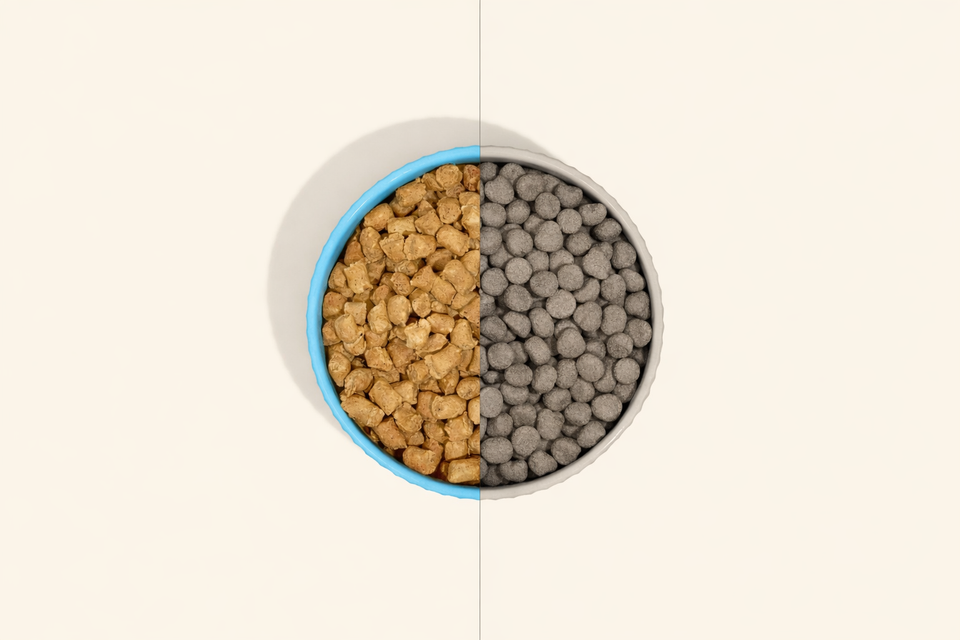
Most healthy adult dogs don't need explicit vet approval before switching to freeze-dried raw food. A transition to a high-quality, complete-and-balanced freeze-dried diet is a positive change that generally doesn't require medical clearance. However, if your dog has a chronic health condition, is immunocompromised, is very young or very old, or has specific dietary restrictions, a vet conversation before switching is worthwhile.
Planning to switch an older dog, or one with a health condition? That is when a quick vet conversation is most worth having. Here is how to know.
Key Takeaways
- Healthy adult dogs can switch to freeze-dried raw food without a vet visit, as long as the food is AAFCO complete and balanced
- Dogs with kidney disease, pancreatitis, cancer, or other chronic conditions should have a vet conversation first
- Immunocompromised dogs (on chemotherapy, long-term steroids, or post-surgery) may need to avoid raw-based foods temporarily
- A slow transition over 7–14 days reduces the chance of digestive upset, regardless of vet involvement
- Freeze-dried food is generally easier to transition to than conventional raw because it's processed in a controlled way that reduces bacterial load
When You Don't Need a Vet Visit
The following dogs can typically transition to freeze-dried raw food without a vet consultation:
- Healthy adult dogs with no known health conditions
- Dogs with normal kidney function, liver function, and blood values
- Dogs without food allergies or sensitivities that haven't been formally diagnosed
- Dogs that are not currently on medication that restricts diet
- Healthy puppies over 8 weeks (some puppy-specific formulas recommended)
Choosing a freeze-dried food that carries an AAFCO "complete and balanced" statement removes the guesswork — it confirms the food meets minimum nutritional standards for your dog's life stage without requiring supplementation or professional guidance.
When a Vet Conversation Matters
Kidney disease
Freeze-dried raw food tends to be high in protein. Dogs with kidney disease often need protein-restricted diets. Check with your vet before switching.
Pancreatitis
Some freeze-dried foods are higher in fat than prescription low-fat diets. Dogs who have had pancreatitis need a fat intake appropriate to their condition.
Cancer or chemotherapy
Dogs undergoing chemotherapy have compromised immune systems. While freeze-dried food has a lower bacterial risk than conventional raw, your oncologist should sign off on any diet change during active treatment.
IBD or severe digestive disorders
Dogs with inflammatory bowel disease may benefit from a different dietary approach. Work with your vet to determine whether a raw-based or novel protein diet is appropriate.
Post-surgical recovery
Diet changes during recovery can complicate healing. Wait until your dog has fully recovered before experimenting with a diet switch.
How to Transition Safely
Even for healthy dogs, a gradual transition is recommended to give the digestive system time to adjust:
- Days 1–3: 75% old food, 25% freeze-dried
- Days 4–6: 50% old food, 50% freeze-dried
- Days 7–10: 25% old food, 75% freeze-dried
- Day 11+: 100% freeze-dried
Go slower if your dog has a sensitive stomach — some dogs take 3–4 weeks to fully transition without any loose stools. The gut microbiome is adjusting to a new diet, and that adaptation takes time. Get Joy's Belly Biotics™ (prebiotics, probiotics, and postbiotics built directly into the food) actively support this transition by maintaining a healthy gut environment during the dietary shift.
What to Ask Your Vet
If you do consult your vet, helpful questions to bring:
- "Are there any health conditions or medications that should affect my dog's diet choice?"
- "What protein and fat levels are appropriate for my dog's specific situation?"
- "Are there any ingredients in this formula that might interact with my dog's condition?"
- "How should I monitor my dog during the transition?"
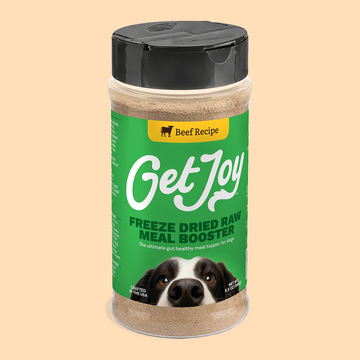
Get Joy Freeze-Dried Raw Meals — complete, balanced, and built around gut health. A safe, thoughtful choice for most dogs. Shop Now →
From Get Joy dog parents
“Zero tummy drama.”
“He’s excited about dinner again and does circles as we carry his bowl to his spot like he did when he was younger.”
Customer reviews, shared as written
Ready when you are
Bring the product page’s ingredients and guaranteed analysis to your vet.
Freeze Dried Raw Meals have Belly Biotics™ built in, store in the pantry and work as a full meal or a topper. 50% off your first Auto-Ship order. Skip, pause or cancel anytime.
Worried they won’t eat it? Mix a little into their current food and shift over 7 to 10 days. And we guarantee they’ll love it or your first order is free — that’s the Clean-Bowl Promise.
Frequently Asked Questions
Will my vet recommend against freeze-dried raw food?
Some vets are cautious about raw-based diets due to concerns about bacterial contamination, particularly for households with young children or immunocompromised people. Freeze-dried raw carries a lower risk than conventional raw because the low water activity of the dry product inhibits bacterial growth. If your vet objects, ask specifically about freeze-dried (as distinct from fresh raw) — the distinction often matters to the conversation.
Is freeze-dried food safer than raw for immunocompromised dogs?
Relatively, yes — freeze-dried food has a lower bacterial load than fresh raw food because the water activity is too low to support bacterial growth in the dry product. However, immunocompromised dogs still carry some risk from any minimally processed food. Your vet or veterinary oncologist should guide the diet decision for a dog in active treatment.
What signs should I watch for during a food transition?
Mild loose stools for 2–3 days during a food transition are normal and usually resolve on their own. Watch for: persistent diarrhea beyond 5 days, vomiting, blood in stool, complete appetite loss, or signs of lethargy. These warrant a call to your vet. A good probiotic (or a food with one built in) can ease the transition significantly.
Browse More Topics
Shop by Concern


Featured Posts
How to Transition Your Dog to Freeze-Dried Food
Freeze-Dried Dog Food for Weight Management
Freeze-Dried Dog Food with Probiotics: The Gut Health Guide