Bestseller

 Gut health
 Sensitive stomach
 Calm
Calm Joints & mobility
 Skin & coat
 Healthy weight
 Picky eaters
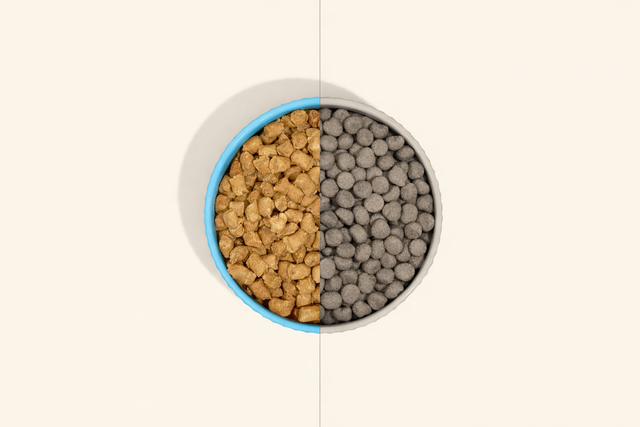



Dog Nutrition 101: A Complete Guide
by Dr. George C Fahey, Jr. ・ 10 min readLast updated: May 2026
Key Takeaways
- Dogs need four foundational nutrients: protein, fat, carbohydrates, and micronutrients — but quality and bioavailability matter far more than percentages on a label.
- Nutritional needs shift significantly across life stages — what's right for a puppy can actually harm a senior dog.
- Common nutrition myths (grain-free = better, byproducts = bad, dogs should eat like wolves) are driven by marketing, not science.
- Ingredient quality determines how much nutrition your dog actually absorbs, not just what the label claims.
- Gut health is the missing piece most dog food ignores. A healthy gut microbiome is what converts food into actual cellular nutrition.
- Get Joy's Freeze Dried Raw Meals include Belly Biotics™ — a built-in prebiotic, probiotic, and postbiotic blend that supports gut health with every meal.
Most Affected Breeds: All breeds. Breed-specific nutritional needs vary — giant breeds (Great Danes, Mastiffs) need controlled calcium during growth; brachycephalic breeds (Bulldogs, Pugs) need easily digestible protein; high-energy breeds (Border Collies, Huskies) need higher fat ratios.
Most dog food decisions start with the label. Protein percentage, ingredient lists, marketing claims. But understanding dog nutrition means knowing what actually happens after your dog eats: which nutrients get absorbed, which pass through unused, and why two foods with identical labels can produce completely different outcomes.
The Four Foundational Nutrients
Dogs need four foundational nutrients to thrive: protein, fat, carbohydrates, and micronutrients.
Protein: The Building Block Foundation
Protein provides amino acids — the raw materials for muscles, organs, enzymes, and immune function. Dogs need 22 amino acids total, but their bodies can only produce 12. Animal-based proteins deliver complete amino acid profiles. Plant proteins like peas or potatoes are incomplete and require careful combining. Bioavailability matters here, which is why protein quality beats protein quantity every time.
Fat: More Than Just Energy
Fat serves three critical functions: energy storage, cell membrane structure, and essential fatty acid delivery. Dogs need omega-3 and omega-6 fatty acids for brain function, skin health, and inflammation control. Fat also helps absorb fat-soluble vitamins A, D, E, and K.
Carbohydrates: The Flexible Fuel
Dogs aren't obligate carnivores, but they don't need grain-heavy diets either. Their bodies can use carbohydrates for quick energy, but are equally capable of fueling themselves through protein and fat. Fiber from vegetables supports digestive health and feeds beneficial gut bacteria.
Micronutrients: The Invisible Essentials
Vitamins and minerals orchestrate every biological process in your dog's body. Deficiencies show up as dull coats, low energy, poor immune function, and digestive issues. Our complete guide to Freeze Dried Raw dog food explains how different processing methods affect nutrient absorption.
Life Stage Nutrition: Puppies to Seniors
Puppy Nutrition: The Building Blocks
Puppies require significantly more calories per pound than adult dogs. The balance of calcium to phosphorus is crucial, ideally between 1.2:1 and 1.4:1. DHA is critical for brain and eye development.
Adult Dog Nutrition: Maintaining the Prime
Adult dogs require maintenance-level nutrition. Caloric needs vary widely based on activity level. Most adult dogs thrive on twice-daily meals with consistent timing and portion control to support digestive and gut health.
Senior Dog Nutrition: Aging Gracefully
As dogs age, they generally require 20–25% fewer calories, per WSAVA nutrition guidelines, though their need for protein may actually increase to maintain lean muscle mass. Joint health becomes a priority, making omega-3 fatty acids and glucosamine valuable.
Common Dog Nutrition Myths
Myth 1: Grain-Free Is Always Better
Grains aren't the enemy. Quality matters far more than category. Whole grains deliver valuable fiber, B vitamins, and sustained energy. Judge ingredients by their quality and nutritional contribution, not whether they fit a trendy category.
Myth 2: Byproducts Are Always Bad
Organ meats like liver, kidney, and heart are technically byproducts — yet they're packed with more vitamins and minerals than muscle meat. Quality dog food uses clearly identified ingredients so you know exactly what's in the bowl.
Myth 3: Dogs Should Eat Like Wolves
A 2013 study in Nature identified key genetic differences between dogs and wolves, including multiple copies of the amylase gene — the enzyme that breaks down starches. Dogs also have longer intestines, giving them more time to extract nutrients from plant materials.
Why Ingredient Quality Matters
Two foods might list identical protein percentages on their labels, but the bioavailability of those proteins can differ dramatically based on sourcing, processing, and storage methods.
| Nutrient | High Quality | Variable Quality |
|---|---|---|
| Proteins | Whole chicken, named meat meals | Generic chicken meal, some meat by-products |
| Vitamins | Whole-food nutrients from fruits and vegetables | Vitamins trapped in lower-quality whole food ingredients |
| Fats | Named animal fats (chicken fat, salmon oil) | Generic rendered fats, unspecified animal fat |
The Gut Health Piece Most Food Ignores
About 70% of your dog's immune system lives in the gut. The trillions of bacteria that make up the gut microbiome control how efficiently nutrients are absorbed, how inflammation is regulated, and how the immune system responds. This is why gut health is whole-body health.
Most dog foods don't actively support the gut microbiome. Supporting gut health requires prebiotics (to feed beneficial bacteria), probiotics (to introduce and maintain them), and postbiotics (the beneficial compounds those bacteria produce). Most foods include none of the three.
Nutrition That Works From the Inside Out
Get Joy's Freeze Dried Raw Meals include Belly Biotics™ — our proprietary blend of prebiotics, probiotics, and postbiotics built directly into every meal.
Shop Freeze Dried Raw Meals →How Get Joy Applies These Principles
USDA-sourced proteins deliver complete amino acid profiles. Belly Biotics™ provides targeted prebiotics, probiotics, and postbiotics that maintain the gut microbiome balance essential for nutrient utilization. Freeze dried processing preserves heat-sensitive vitamins and amino acids. Every recipe is formulated by ACVN board-certified veterinary nutritionists.
Our Freeze Dried Raw formulas make it simple to give your dog the bioavailable nutrition their body is built to use. Plan for a gradual 7–10 day transition when switching foods.
Related Reading
Nutrition That Starts in the Gut.
Get Joy's Freeze Dried Raw Meals are formulated by board-certified veterinary nutritionists, built with USDA-sourced ingredients, and include Belly Biotics™ in every bag.
Shop Freeze Dried Raw Meals Try The Joy Meal →Frequently Asked Questions
How much protein does my dog need?
Dogs need at least 18% protein as adults and 22% as puppies, but most dogs thrive on 25–35% from high-quality animal sources. The source and bioavailability matters more than the percentage alone.
Are raw diets better than cooked?
Raw diets can offer excellent nutrition when properly balanced, but cooking doesn't automatically make food inferior. Freeze drying offers a middle path — raw-based nutrition with the convenience of shelf stability.
Do dogs need carbohydrates?
Dogs don't require carbohydrates to survive, but digestible carbs provide steady energy and fiber that supports gut health. Fiber-rich vegetables support the gut microbiome in ways that simple starches don't.
How do I know if my dog has a nutrient deficiency?
Watch for dull coat, excessive shedding, low energy, digestive issues, or frequent infections. A truly balanced, bioavailable diet typically resolves these issues within weeks of switching.
Should I feed the same food my dog's whole life?
Not necessarily. Your dog's needs shift with age, activity level, and health status. Always transition gradually over 7–10 days.
Sources
Axelsson E, et al. The genomic signature of dog domestication reveals adaptation to a starch-rich diet. Nature. 2013;495:360-364. https://www.nature.com/articles/nature11837
WSAVA Global Nutrition Guidelines. https://wsava.org/global-guidelines/global-nutrition-guidelines/
Browse More Topics

Written by
Dr. George C Fahey, Jr.
Shop by Concern


Featured Posts
Keeping Your Dog Healthy in Winter: Cold Weather, Immunity, and Gut Health
The Best Dog-Safe Christmas Treats (Store-Bought and Homemade)