Bestseller
 Gut health
 Sensitive stomach
 Calm
 Joints & mobility
 Skin & coat
 Healthy weight
 Picky eaters



Why Is My Dog Not Interested in Freeze-Dried Food? 8 Reasons and Fixes
by The Get Joy Food Team ・ 9 min readPublished October 2026 · Last reviewed October 2026
When dogs refuse freeze-dried food, it's almost never a problem with the food itself — it's usually serving temperature, transition speed, or kibble-conditioning. Dogs raised on palatability-enhanced kibble sometimes need time to recognize real food as food. The good news: with a few adjustments, most dogs warm up to freeze-dried within 1–2 weeks.
Did your dog sniff the bowl and walk away? You are not alone, and it is usually fixable. Most refusals come down to texture, temperature or a switch that went too fast.
Key Takeaways
- Serving cold is the most common reason dogs reject freeze-dried food — warm it to release aromas
- Kibble-conditioned dogs may need a 2–3 week gradual transition rather than an abrupt switch
- Gut dysbiosis can suppress appetite and appetite signals — gut health support helps
- Different proteins have different palatability for individual dogs — try a different flavor if one doesn't land
- Medical reasons for food refusal (not just freeze-dried food but all food) warrant a vet visit
8 Reasons Your Dog Won't Eat Freeze-Dried Food
1. Serving Temperature Is Too Cold
Cold food is less aromatic. Freeze-dried food served straight from a cool pantry or (especially) the refrigerator suppresses the fat-soluble aroma compounds that make food appealing to dogs. Warm it to body temperature (~100°F) by adding warm water.
2. Transitioning Too Fast
Abrupt switches can cause stomach upset, and even without overt GI symptoms, a new food texture and smell may cause hesitation. Dogs are neophobic about food under some conditions — gradual introduction is more reliable.
3. Kibble Conditioning
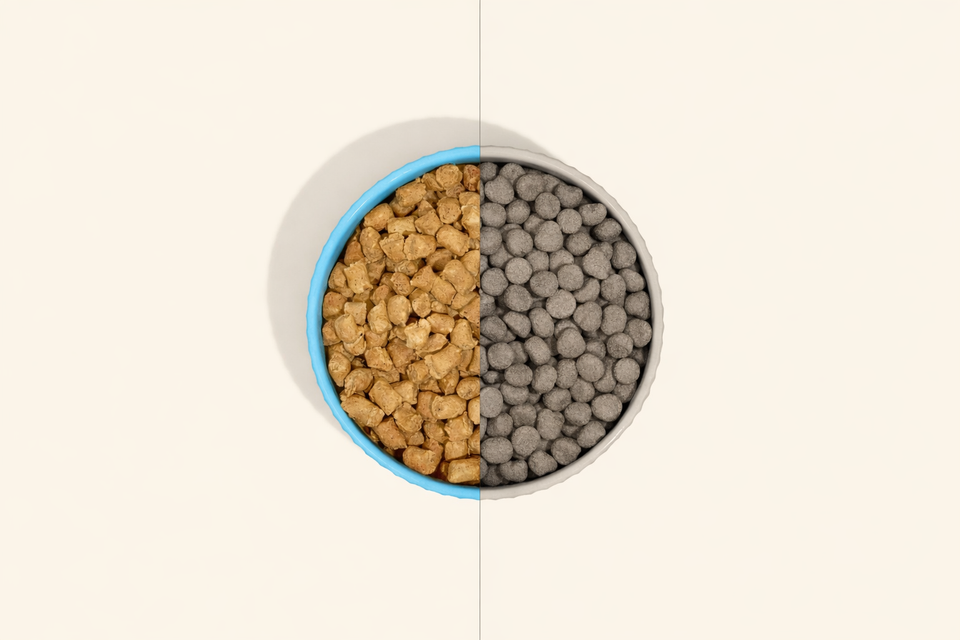
Kibble manufacturers spray palatability enhancers (rendered fats, flavor coatings) on the surface of kibble. These create an intense, artificial palatability signal that real food can't always immediately compete with. Over 2–3 weeks of gradual exposure, dogs typically overcome this conditioning.
4. Wrong Protein for That Dog
Palatability varies significantly by individual dog and by protein. A dog that loves beef may be indifferent to turkey. Try a different protein if the first one isn't landing.
5. Texture Aversion
Some dogs dislike the dry, crunchy texture of non-rehydrated freeze-dried food. Rehydrating with warm water creates a texture closer to fresh food that most dogs accept more readily.
6. Gut Dysbiosis Suppressing Appetite
A disrupted gut microbiome can send confused appetite signals, leading to inconsistent interest in food. This is more common than most owners realize. Supporting gut health — with prebiotics, probiotics, and postbiotics — can normalize appetite over several weeks.
7. Stress or Environmental Change
Any stress (new home, schedule change, new pet or family member) can suppress appetite temporarily. A dog that normally loves food may reject even highly palatable food during high-stress periods. Address the stressor first.
8. Medical Issue
If your dog is refusing all food (not just freeze-dried), or showing other symptoms (lethargy, vomiting, weight loss), the issue may be medical rather than preference-based. This warrants a veterinary visit.
Practical Fixes, Step by Step
| Problem | Fix | Timeline |
|---|---|---|
| Cold serving temperature | Add warm water; let sit 3–5 min before serving | Immediate |
| Too-fast transition | Mix 10% freeze-dried with current food; increase 10% per week | 2–3 weeks |
| Kibble conditioning | Add a small amount of the current kibble on top initially; reduce over time | 2–4 weeks |
| Wrong protein | Try beef if chicken didn't work, or vice versa | Immediate |
| Texture aversion | Rehydrate with warm water to create a softer texture | Immediate |
| Gut dysbiosis | Support with a formula that includes Belly Biotics™; allow 4–8 weeks to stabilize | 4–8 weeks |
When Gut Health Is the Problem
Appetite is partly regulated by gut bacteria that produce appetite-signaling molecules. A healthy gut microbiome sends clear hunger signals; a dysbiotic microbiome can create confused, suppressed, or irregular appetite. Dogs with gut health issues often show variable appetite — excited about food one day, disinterested the next.
Get Joy's Belly Biotics™ is built directly into the freeze-dried food — not added as a separate supplement that can be inconsistently dosed. This means every meal delivers a consistent three-layer gut health approach: prebiotics (to feed beneficial bacteria), probiotics (to introduce them), and postbiotics (beneficial metabolites that directly support gut lining integrity).
When to See a Vet
If your dog is refusing all food (not selectively declining freeze-dried), or if the food refusal is accompanied by lethargy, vomiting, diarrhea, weight loss, or behavior changes, schedule a vet visit. Selective food refusal (accepting kibble but not freeze-dried) is almost always a preference or transition issue; total appetite loss can indicate illness.
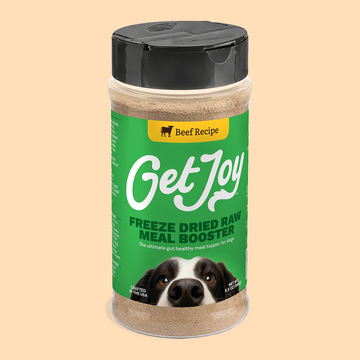
Try Get Joy Freeze-Dried Raw Meals — most dogs love the rich aroma of real whole food with Belly Biotics™ built in. Shop Now →
From Get Joy dog parents
“My picky eater is finally eating her food!”
“From her very first meal of Get Joy, she finished every bite and licked her bowl clean.”
Customer reviews, shared as written
Ready when you are
Rehydrating with warm water brings out the aroma most dogs can’t resist.
Freeze Dried Raw Meals have Belly Biotics™ built in, store in the pantry and work as a full meal or a topper. 50% off your first Auto-Ship order. Skip, pause or cancel anytime.
Worried they won’t eat it? Mix a little into their current food and shift over 7 to 10 days. And we guarantee they’ll love it or your first order is free — that’s the Clean-Bowl Promise.
Frequently Asked Questions
How long does it take for a dog to accept freeze-dried food?
Most dogs accept freeze-dried food within 1–2 weeks when transitioned gradually. Kibble-conditioned dogs with strong preference for palatability-enhanced food may take up to 3–4 weeks. The key is patience and a gradual transition — don't give up after one rejected meal.
Is it okay to starve a dog until they eat freeze-dried food?
This approach (sometimes called "tough love") is controversial and not recommended, especially for small breeds, puppies, or senior dogs who can develop hypoglycemia or hepatic lipidosis if they skip too many meals. Gradual transitioning is safer and more effective for almost all dogs.
What if my dog eats the freeze-dried food the first time but refuses later?
Initial acceptance followed by later refusal is sometimes called palatability fatigue or boredom. Try a different protein flavor, or temporarily serve with a small amount of their original food mixed in. Also check that the bag is properly sealed and the food isn't stale.
Browse More Topics
Shop by Concern


Featured Posts
How to Transition Your Dog to Freeze-Dried Food
Freeze-Dried Dog Food for Weight Management
Freeze-Dried Dog Food with Probiotics: The Gut Health Guide