Bestseller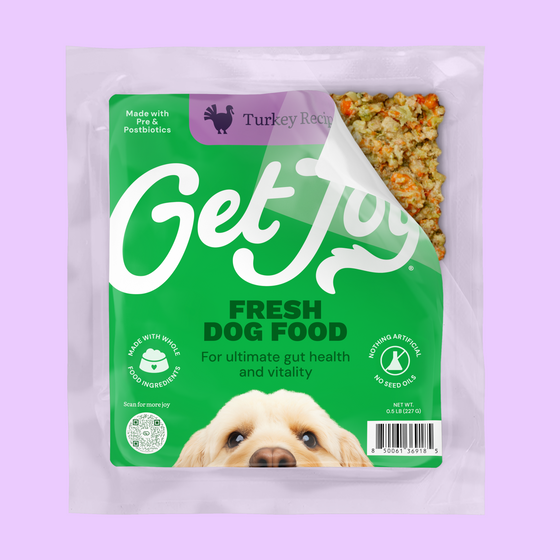
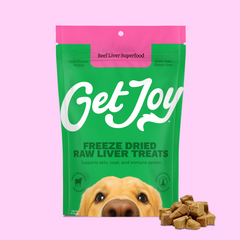
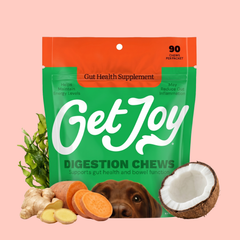
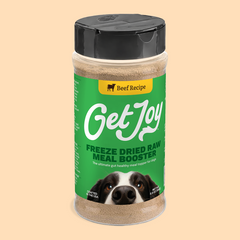
 Gut health
 Sensitive stomach
 Calm
Calm Joints & mobility
 Skin & coat
 Healthy weight
 Picky eaters



How to Restore Your Dog's Gut Health: What Actually Works
by The Get Joy Food Team ・ 10 min readLast updated: May 2026
Key Takeaways
- A disrupted gut microbiome is behind many common dog health issues — from loose stools and itchy skin to low energy and a weakened immune system.
- Gut restoration follows a three-step framework: remove disruptors, reinoculate with beneficial bacteria, then maintain with consistent daily support.
- Prebiotics, probiotics, and postbiotics each play a distinct role — and all three are needed for lasting restoration, not just one.
- Gut restoration takes weeks, not days. Consistency matters more than intensity.
- Belly Biotics™ — Get Joy's proprietary blend of prebiotics, probiotics, and postbiotics — is built into every meal, making daily gut support effortless and automatic.
Most Affected Breeds: All dogs can experience gut disruption, but German Shepherds, Boxers, Yorkshire Terriers, and Bulldogs are among the breeds most prone to gut imbalance and conditions requiring active microbiome restoration.
When your dog's gut health gets thrown off — by a round of antibiotics, a rushed food transition, a stressful move, or just years of the wrong nutrition — the path back isn't a single supplement or a one-week fix. Restoring gut health is a process. And if you don't understand the process, it's easy to do the right things in the wrong order, or skip the step that matters most.
This guide lays out exactly what's happening inside your dog's gut when things go wrong, what signs to watch for, and the three-step framework that actually works — remove, reinoculate, maintain. Because gut health is whole-body health. And getting it right changes everything.
In This Article
Signs Your Dog's Gut Health Needs Restoration
The gut microbiome is the control center for a huge range of bodily functions — digestion, immune response, nutrient absorption, hormone regulation, even mood. When it's out of balance, the signals show up in ways that are easy to dismiss as isolated issues.
Here's what a disrupted microbiome often looks like:
- Chronic loose stools or diarrhea — especially if it comes and goes without a clear cause
- Frequent gas, bloating, or gurgling stomach sounds
- Vomiting or nausea after meals
- Inconsistent appetite — eating enthusiastically some days, picking at food others
- Itchy skin, hot spots, or recurring ear infections — a leaky or inflamed gut often presents as skin issues
- Dull coat or excessive shedding — often tied to poor nutrient absorption
- Low energy or lethargy — a struggling gut can't fuel the body efficiently
- Getting sick frequently — about 70% of the immune system lives in the gut, so immune weakness is often a gut problem first
- Coprophagia (eating stool) — sometimes a signal the body is searching for nutrients it isn't absorbing properly
- Anxiety or behavior changes — the gut-brain axis is real; gut dysbiosis has been linked to increased stress responses in dogs
What Disrupts the Gut Microbiome
Understanding what threw off the gut in the first place matters — because removing or reducing the disruptor is actually Step One of restoration.
Antibiotics
Antibiotics are sometimes necessary. But they're not targeted — they wipe out beneficial bacteria alongside harmful ones. A single course of antibiotics can significantly reduce microbiome diversity, and without active restoration, that diversity may not fully return on its own.
Abrupt Food Changes
The microbiome adapts to what it's regularly fed. Switch foods too fast and the microbial community can be thrown into disarray.
Chronic Poor Diet
A long-term diet high in fillers, artificial preservatives, or heavily processed ingredients doesn't just underperform — it can actively starve the beneficial bacteria that keep the gut balanced.
Stress
Chronic stress activates the stress response, which suppresses beneficial microbes and can promote the growth of harmful ones. The gut-brain connection runs both ways.
The 3-Step Restoration Framework: Remove, Reinoculate, Maintain
Step 1: Remove
Identify and reduce whatever is actively disrupting the gut. You can't rebuild what's still being torn down.
Step 2: Reinoculate
Once the primary disruptors are addressed, you actively introduce beneficial bacteria back into the gut through consistent, daily introduction of beneficial microbes over several weeks.
Step 3: Maintain
A restored microbiome still needs daily reinforcement to stay balanced. Consistent, daily intake of prebiotics, probiotics, and postbiotics keeps the microbiome populated and the gut lining healthy as the permanent baseline.
Built for the Maintain Step — and Every Step After
Get Joy's Freeze Dried Raw Meals include Belly Biotics™ — prebiotics, probiotics, and postbiotics built structurally into every meal. Daily gut support that's automatic because it's in the food.
Shop the Gut Support BundleThe Role of Prebiotics, Probiotics, and Postbiotics
Probiotics: The Beneficial Bacteria
Probiotics are live microorganisms that populate the gut with strains that crowd out harmful bacteria, support the gut lining, and assist in digestion and immune function. Consistent daily intake is key.
Prebiotics: Food for the Good Bacteria
Prebiotics are non-digestible fibers that selectively feed beneficial gut bacteria. Without prebiotics, the probiotics you introduce have no fuel source. Think of prebiotics as the soil and probiotics as the seeds.
Postbiotics: The Byproducts That Do the Heavy Lifting
Postbiotics are beneficial compounds produced when probiotics ferment prebiotics — things like short-chain fatty acids, peptides, and enzymes. They support gut lining integrity, have anti-inflammatory properties, and play a direct role in immune regulation.
How Long Does Gut Restoration Take?
- Mild disruption: 2–4 weeks
- Moderate disruption (one antibiotic course): 4–8 weeks
- Significant or chronic disruption: 3–6 months or longer
Consistency is the most important variable. Daily gut support every single day outperforms a heavy protocol used inconsistently.
What to Feed During Gut Restoration
Real, Whole-Food Ingredients
Highly processed dog food with fillers and artificial preservatives is hard on the microbiome. Real, recognizable food provides the variety of nutrients that feed a diverse microbiome.
Consistent Pre/Pro/Postbiotic Support, Built Into the Food
The most effective gut support is what happens every day, with every meal. Building pre/pro/postbiotics structurally into the food — like Belly Biotics™ in Get Joy's Freeze Dried Raw Meals — is the most practical approach.
Related Reading
Frequently Asked Questions
How do I know if my dog's gut health has been restored?
The clearest indicators are consistent, well-formed stools, a healthy coat, normal energy levels, and fewer digestive symptoms. Skin improvements often follow 4–8 weeks of active gut support.
Can I give my dog probiotics during a course of antibiotics?
Yes — and it's recommended. Space them out from the antibiotic dose by at least 2 hours, and continue for several weeks after the antibiotics are finished.
Is a probiotic supplement enough, or does the food itself need to change?
Both matter, but diet is the foundation. A probiotic supplement layered on top of a heavily processed diet is working against itself. The most effective approach is high-quality food with gut support built in.
Gut Health That Actually Sticks
Every Get Joy Freeze Dried Raw Meal is built around Belly Biotics™ — prebiotics, probiotics, and postbiotics in every bowl. Daily gut support your dog actually gets, because it's already in the food.
Shop the Gut Support BundleBrowse More Topics
Shop by Concern


Featured Posts
Keeping Your Dog Healthy in Winter: Cold Weather, Immunity, and Gut Health
The Best Dog-Safe Christmas Treats (Store-Bought and Homemade)