Bestseller
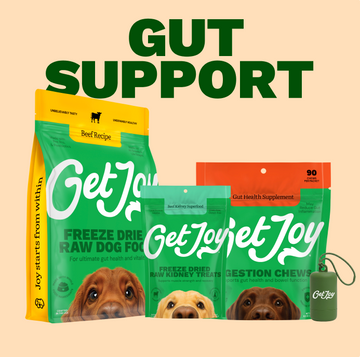
 Gut health
 Sensitive stomach
 Calm
 Joints & mobility
 Skin & coat
 Healthy weight
 Picky eaters

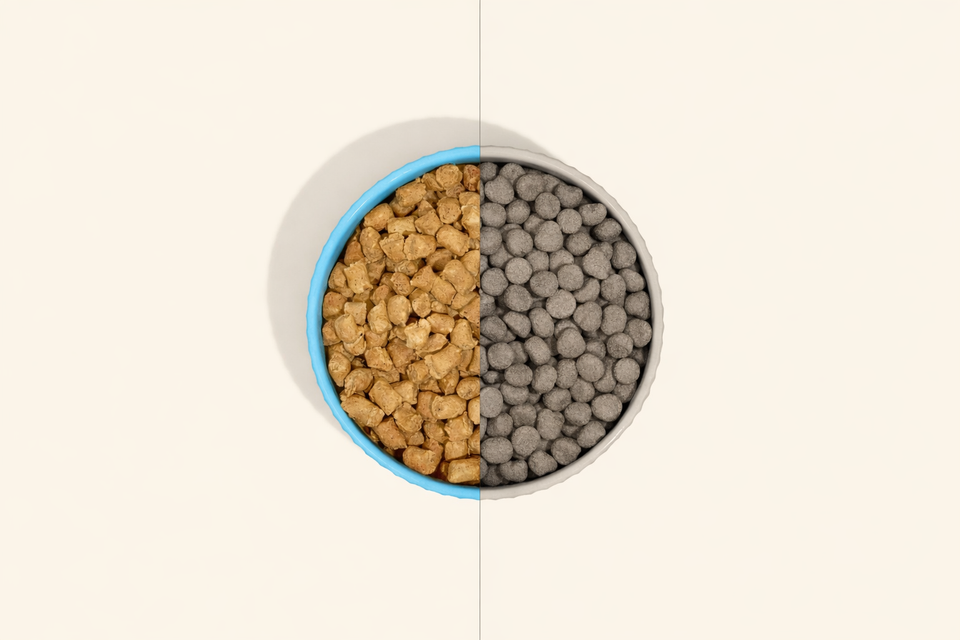



Limited Ingredient Dog Food: What It Is, Who Needs It, and How to Choose
by The Get Joy Food Team ・ 12 min readLast Updated: October 28, 2026
Limited ingredient dog food is food made from a short list of ingredients, usually one animal protein and one or two carbohydrates. The goal is to make it easier to know exactly what your dog is eating. That helps when you suspect a food sensitivity or allergy, or your dog's stomach does better on simple meals. "Limited ingredient" has no official legal definition, though, so the label alone doesn't guarantee anything. You have to read the ingredient list.
Been through a few foods already? If your dog has a sensitive stomach, or you’ve been trying to settle a runny tummy for a while, a shorter, clearer ingredient list is a sensible next step.
🐾 Key Takeaways
- "Limited ingredient" (LID) is a marketing term, not an AAFCO-defined category. Always read the full ingredient list.
- LIDs are most useful for dogs with suspected food allergies or sensitivities, and for dogs who simply digest simple meals better.
- Most food allergies in dogs are to proteins. In published cases, beef, dairy, chicken and wheat are reported most often.
- A true food-allergy workup is an elimination diet of at least 8 weeks, guided by your vet. Over-the-counter "limited" foods aren't always free of undeclared proteins.
- "Limited" never means "incomplete." Choose a food that's complete and balanced for your dog's life stage.
In This Article
What Counts as Limited Ingredient Dog Food?
There's no regulatory cutoff for how many ingredients a "limited ingredient" food can have. In practice, a good LID has:
- One named animal protein (for example "beef" or "turkey," not "meat" or "poultry"), ideally including its organ meats from the same animal.
- A small number of carbohydrate or fiber sources you can name, like pumpkin, sweet potato or sorghum.
- No "mystery" ingredients: no unnamed animal fats, digests or by-products, and no artificial colors or flavors.
- The vitamins and minerals needed to make it complete and balanced. These lengthen the list, but they're not a red flag.
One catch: "limited" can be applied loosely. A recipe can lead with one protein and still contain a second protein further down the list, in a broth, fat or flavoring. If you're feeding for a sensitivity, read to the very end.
Which Dogs Benefit From a Limited Ingredient Diet?
- Dogs with a suspected food allergy or sensitivity: itchy paws and ears, recurring skin flare-ups, or chronic soft stools and gas.
- Dogs with sensitive stomachs who do better when there are fewer variables in the bowl.
- Dogs who've had a diagnosed reaction and need to avoid a specific ingredient long-term.
- Dog parents who want a clean, readable label, even without a specific problem.
If your dog has no symptoms, there's no special reason to choose an LID. What matters most is that the food is high quality, digestible and complete.
Limited Ingredient vs. Elimination Diet vs. Hypoallergenic Food
| Term | What it means | When it's used |
|---|---|---|
| Limited ingredient | A short ingredient list; not regulated | Everyday feeding, mild sensitivities, simpler labels |
| Elimination diet | A strict trial of a protein your dog has never eaten (or a hydrolyzed diet), with nothing else, for at least 8 weeks | Diagnosing a food allergy, with your vet |
| Hydrolyzed protein (often called "hypoallergenic") | Proteins broken into pieces too small for the immune system to recognize; usually prescription | Confirmed or strongly suspected food allergy |
Here's why the distinction matters. When researchers tested 11 limited-antigen wet foods with DNA analysis, 6 contained animal species not listed on the label (BMC Veterinary Research, 2018). For a strict elimination trial, your vet may prefer a prescription diet for that reason. For everyday sensitivity, a well-made single-protein food is often all a dog needs.
How to Choose a Limited Ingredient Dog Food
- Pick the protein first. If you suspect a reaction, avoid the proteins your dog eats most often (the most frequently reported allergens are beef, dairy and chicken). Choose a different protein with your vet's input.
- Read the whole list, including fats, broths and flavorings, for hidden second proteins.
- Check the AAFCO statement. It should say complete and balanced for your dog's life stage.
- Look for gut support. A sensitive dog benefits from fiber that feeds good bacteria and from named probiotic strains.
- Favor gentle processing and digestibility. Highly digestible food leaves less undigested material for the gut to deal with.
- Treats count too. Single-ingredient treats keep the whole routine limited. Treats with a different protein can undo the plan.
How to Switch to a Limited Ingredient Diet
Transition over 7 to 10 days, or longer for very sensitive dogs: about 25% new food for two days, then 50%, then 75%, then 100%. Give the new food at least 6 to 8 weeks before judging skin changes. Stools usually change first, often within the first couple of weeks.
Where Get Joy Fits
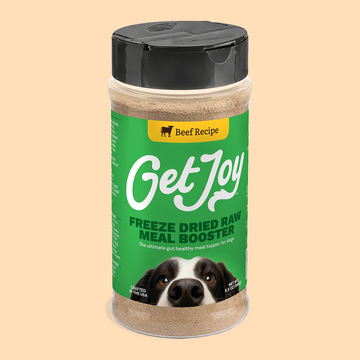
Short list, single protein, built-in gut support. Our Freeze Dried Raw Meals come in two single-meat recipes:
- Beef: beef, beef heart, beef kidney and beef liver, plus sorghum, pumpkin, flaxseed, salmon oil, yeast culture and inulin.
- Chicken: chicken and chicken liver, plus sorghum, pumpkin, salmon oil, flaxseed, yeast culture and inulin.
Both include vitamins and minerals, plus Belly Biotics™ (five named probiotic strains, chicory inulin and a yeast culture postbiotic). There are no peas, lentils or legumes, no gums or carrageenan, and no artificial colors or flavors. Both are complete and balanced for all life stages. Salmon oil is included for omega-3s, so tell your vet if your dog has a known fish sensitivity.
Keep treats on the same page with single-ingredient Superfood Organ Treats (beef liver, heart or kidney) for dogs who do well on beef.
From Get Joy dog parents
“Zero tummy drama.”
“I love knowing they’re made with clean ingredients.”
Customer reviews, shared as written
Ready when you are
Both Freeze Dried Raw recipes are single-meat, so it’s easy to see exactly what your dog is eating.
Freeze Dried Raw Meals have Belly Biotics™ built in, store in the pantry and work as a full meal or a topper. 50% off your first Auto-Ship order. Skip, pause or cancel anytime.
Worried they won’t eat it? Mix a little into their current food and shift over 7 to 10 days. And we guarantee they’ll love it or your first order is free — that’s the Clean-Bowl Promise.
Frequently Asked Questions
What is limited ingredient dog food?
It's dog food made from a short ingredient list, usually a single animal protein and a few named carbohydrates, with no unnamed meats or artificial additives. The term isn't legally defined, so read the full label.
Is limited ingredient dog food good for allergies?
It can help dogs with mild food sensitivities by reducing the number of possible triggers. Diagnosing a true food allergy takes a strict elimination diet of at least 8 weeks, which your vet may run with a prescription or hydrolyzed diet.
Is limited ingredient the same as hypoallergenic?
No. "Hypoallergenic" usually refers to hydrolyzed-protein diets, where proteins are broken down so the immune system doesn't react. Limited ingredient simply means fewer ingredients.
What protein is best for a limited ingredient diet?
The best protein is one your dog hasn't reacted to. If you suspect a food allergy, choose a protein your dog hasn't eaten much before, ideally with your vet's guidance. Beef, dairy and chicken are the most commonly reported allergens.
Can healthy dogs eat limited ingredient dog food?
Yes, as long as it's complete and balanced for their life stage. A short, readable ingredient list is a fine choice for any dog.
How long does it take a limited ingredient diet to work?
Digestive changes often show within a couple of weeks. Skin and itch changes usually take 6 to 8 weeks or longer, which is why elimination trials last at least 8 weeks.
Can I feed one dog a limited ingredient diet and my other dog something else?
Yes. Feed them in separate spots, pick up bowls after meals, and keep treats on the same short ingredient list for the dog on the limited diet. During a food trial, even small bites of the other dog’s food can muddy the results.
Simple Label. Serious Gut Support.
Single-protein Freeze Dried Raw with Belly Biotics™ built in.
Sources: Mueller R.S., Olivry T., Prélaud P. (2016). Common food allergen sources in dogs and cats. BMC Veterinary Research. Olivry T., Mueller R.S., Prélaud P. (2015). Duration of elimination diets. BMC Veterinary Research. (2018). PCR detection of undeclared animal species in limited-antigen wet foods for dogs and cats. BMC Veterinary Research. This article is for education and isn't a substitute for veterinary care.
Browse More Topics
Shop by Concern


Featured Posts
How to Transition Your Dog to Freeze-Dried Food
Freeze-Dried Dog Food for Weight Management
Freeze-Dried Dog Food with Probiotics: The Gut Health Guide